A seven-day challenge you can actually finish
Use the same subject family for one week and change the question each day. Keep every session between ten and twenty minutes, or shorten the list to match the time you truly have.
- Day 01
Find the largest shape
Choose one ordinary object or nearby view. Draw only its outer shape and the biggest shadow. Do not add texture yet; learn what the subject looks like when you reduce it to a clear silhouette.
- Day 02
Change the viewpoint
Draw the same subject from above, below, or very close. Keep the page small and compare how the angle changes the negative space. Let the new viewpoint do the work instead of adding more objects.
- Day 03
Draw it from memory
Look at the subject for two minutes, put it away, and draw what you remember. When you check the reference again, mark one relationship you missed and use that observation in tomorrow's page.
- Day 04
Limit the values
Use only light, middle, and dark. Group similar areas together and reserve the darkest value for the place you want the viewer to notice first. This makes the composition readable before details arrive.
- Day 05
Add a material question
Keep the subject recognizable but focus on one surface: glass, cloth, wood, metal, or leaves. Describe the change in edge, reflection, or mark rather than trying to render every texture equally.
- Day 06
Make one imaginative change
Place the subject somewhere it does not normally belong, or change its scale. Keep one ordinary detail from the real reference so the new scene has an anchor and the visual question stays easy to read.
- Day 07
Choose the next question
Put the six pages beside the final drawing. Circle the page with the clearest curiosity, then write one next experiment: a new crop, light, material, or setting. The review turns the challenge into a continuation.
Drawing challenge ideas
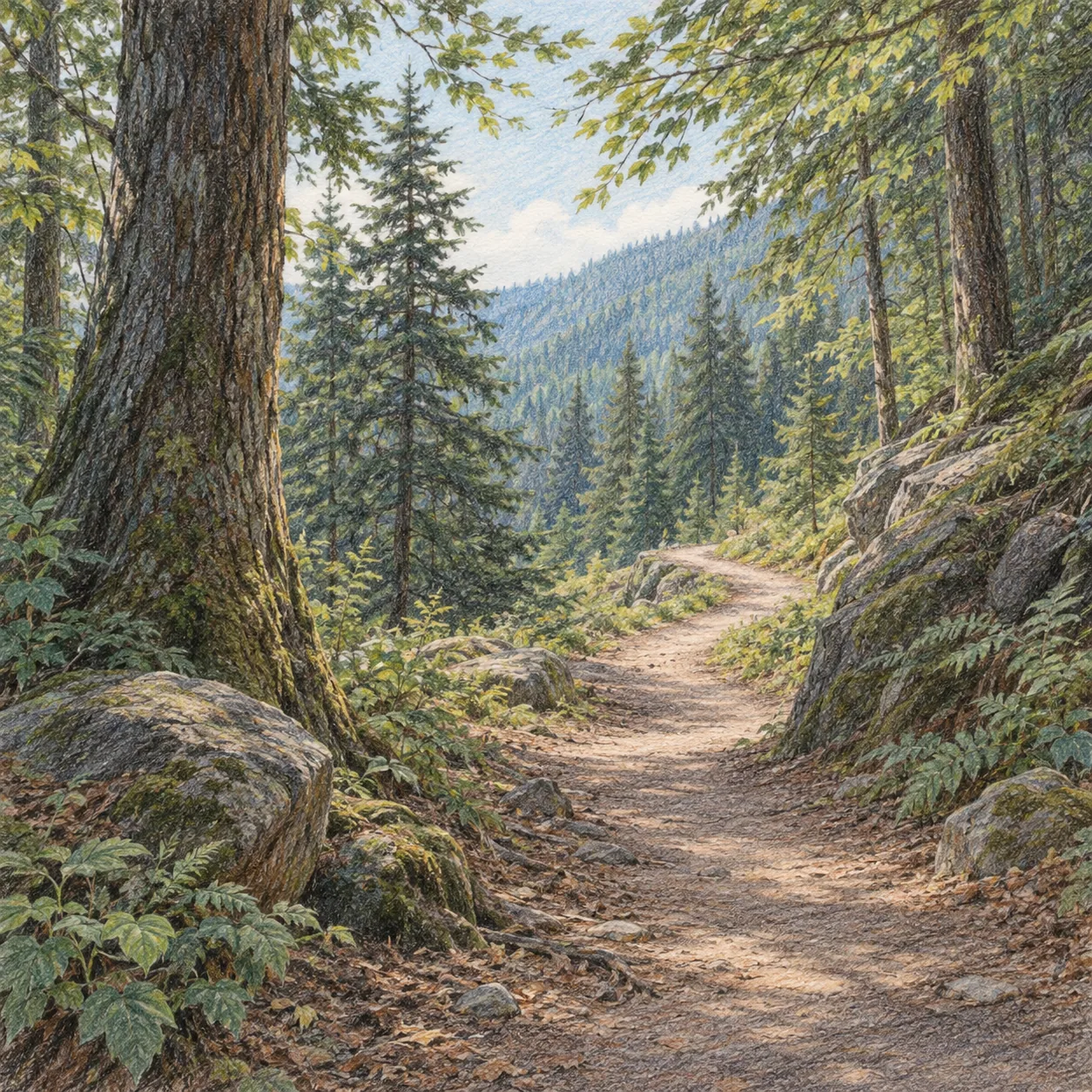 01
Seven windows
Draw one window each day, changing the weather, viewpoint, or story happening on the other side.
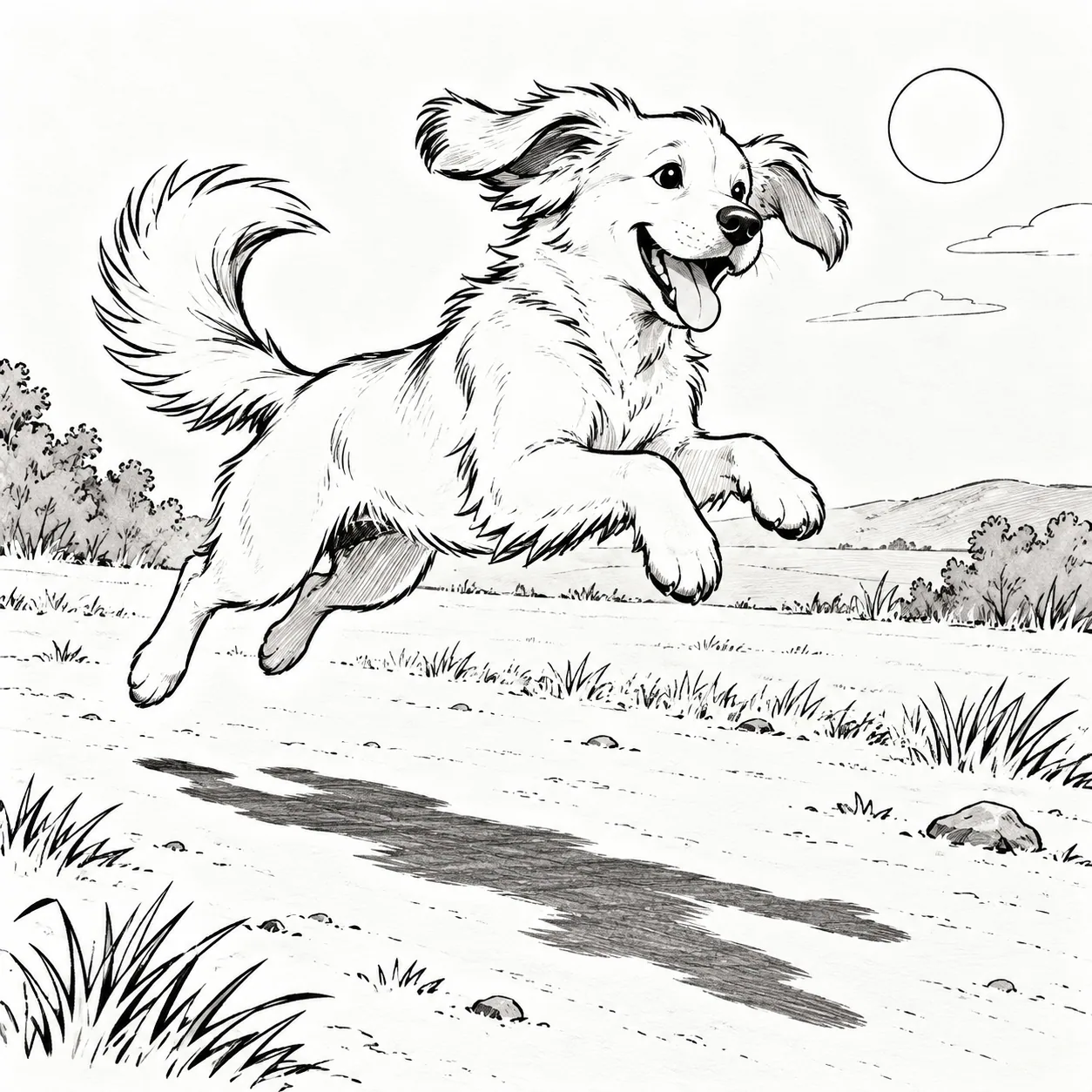 02
Five-minute animals
Make one quick animal gesture per day and focus on movement instead of anatomy or texture.
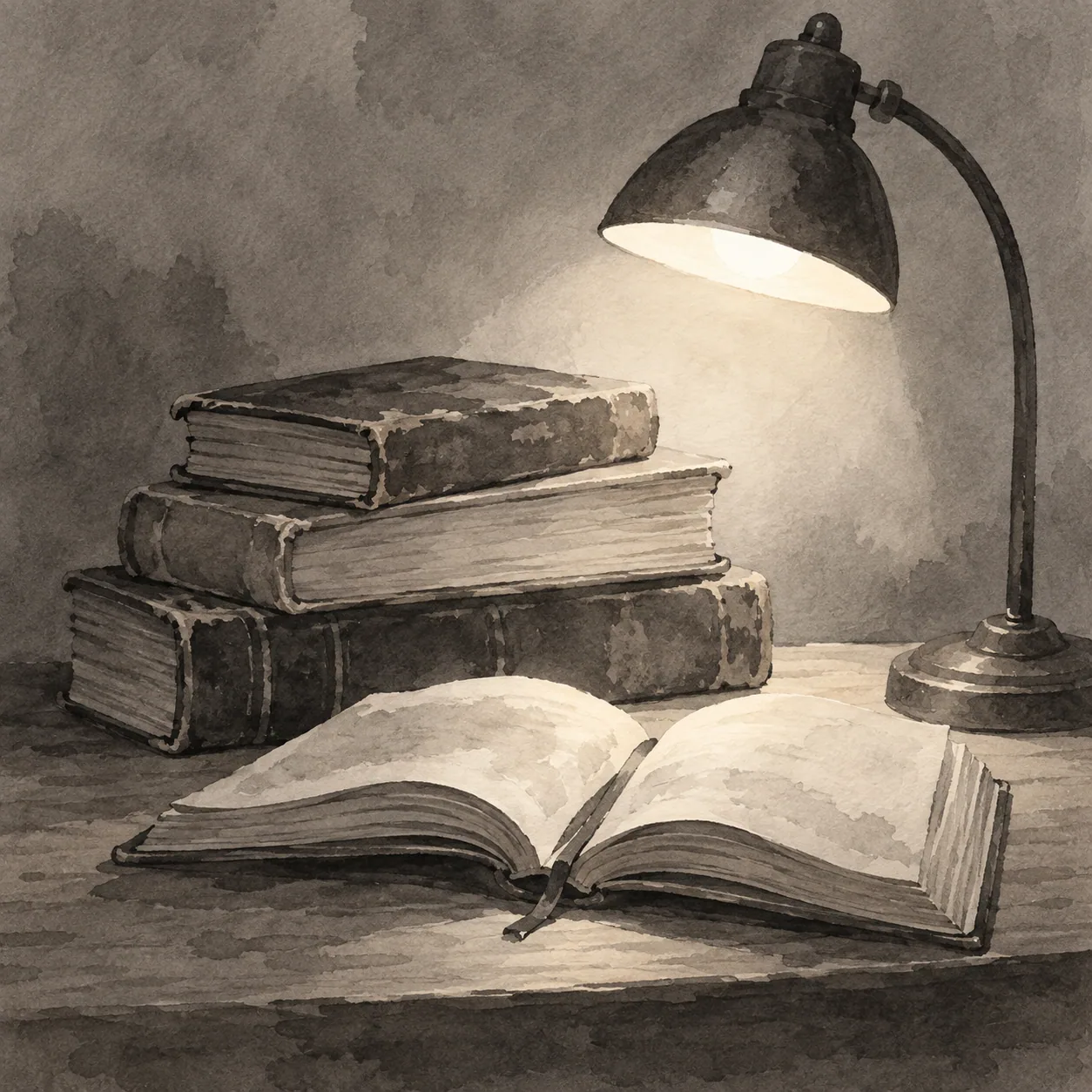 03
A week of ordinary objects
Choose objects from one room and give each a different crop, light source, or drawing tool.
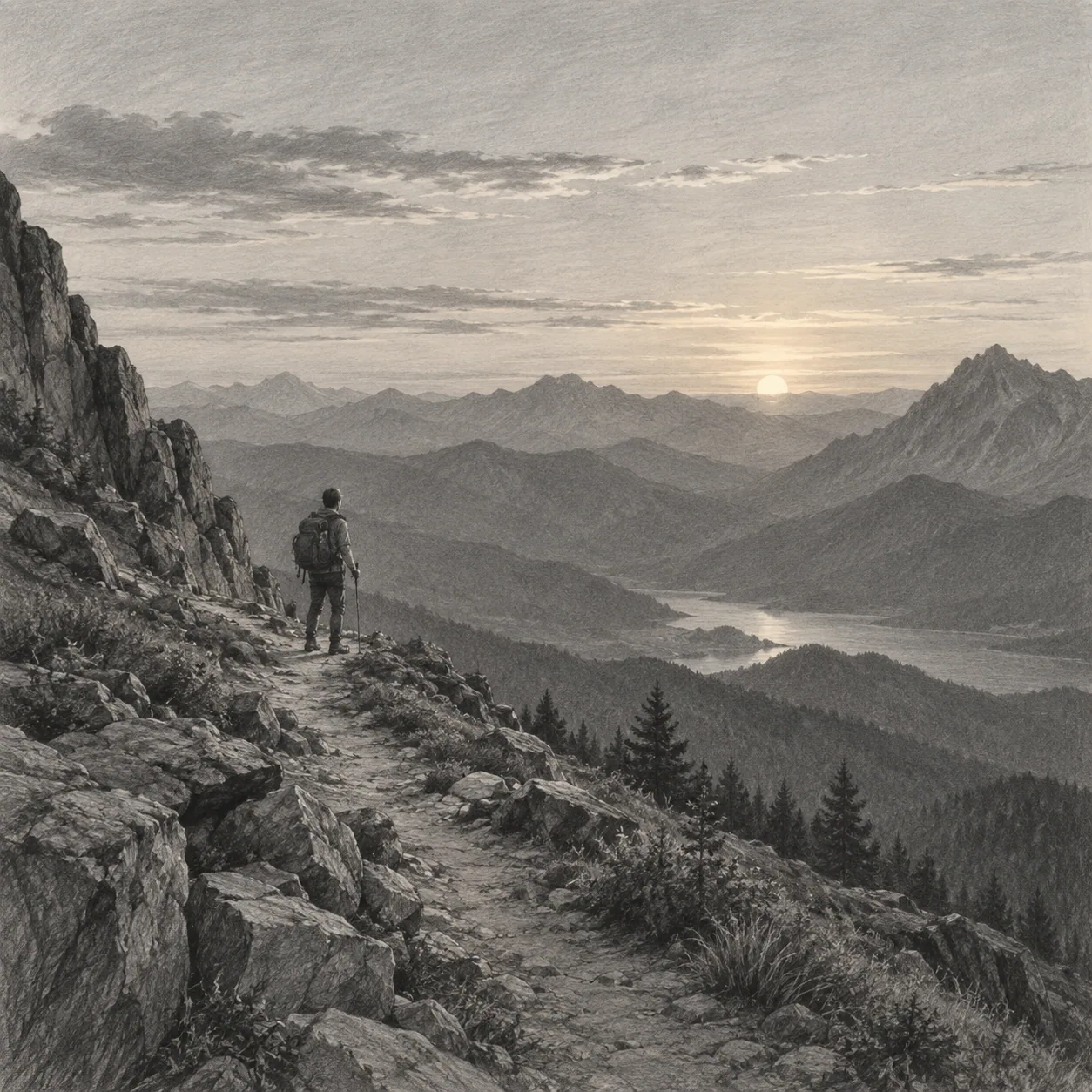 04
Ten tiny landscapes
Fill small boxes with sky, ground, and one focal shape, then compare how atmosphere changes the mood.
Make consistency feel possible
The best challenge is not the most demanding one. It is the one with a clear starting point, a reasonable finish line, and enough variation to keep you curious.
Why drawing challenges work
A single drawing can feel like a verdict on your ability. A challenge shifts the focus to the next attempt. You collect observations, not just finished images, and each page gives the following page more information.
Short challenges also make progress visible. A week of small sketches can show changes in confidence, proportion, mark-making, and subject matter that are hard to notice from one isolated drawing.
Try a simple seven-day format
Choose one subject family, such as windows, hands, plants, or street corners. Give yourself a different angle or condition each day: close-up, from memory, at night, in two values, or with an imagined story.
Keep the session short enough to repeat. Ten to twenty minutes is plenty. If you miss a day, continue without doubling the workload; the goal is to make returning easier, not to create another source of guilt.
Finish by looking back
At the end of the challenge, place the drawings side by side. Mark the three that hold your attention longest and write down why. You may find a subject, composition, or technique worth developing.
Use that note as the starting point for the next series. A challenge becomes valuable when it leaves you with better questions, not when every page looks polished.
Adapt the challenge without losing momentum
A drawing challenge should create a reason to return, not a new rule that makes returning impossible. If the original session is too long, reduce the time. If the subject feels repetitive, keep the same constraint and change the setting. If you miss a day, continue with the next drawing challenge idea instead of trying to complete two pages at once. The structure is there to support attention, not to measure discipline.
Leave a small amount of room for surprise inside the format. You might choose the subject from a list, respond to the weather outside, or let the previous page suggest the next composition. At the end of each session, write one sentence about what you want to notice tomorrow. That sentence keeps the series connected and gives drawing challenge ideas a sense of progression even when every page uses a different medium.
Use the last page to plan the next one
A challenge becomes easier to continue when each page leaves behind a useful observation. Note whether the time limit helped, which subject created the clearest gesture, or where you lost interest. Do not rank the drawings only by polish. A rough page may contain the strongest question, and that question can point toward a more focused series.
At the end of the week, choose one experiment to carry forward and one rule to release. You might keep the small format but change the subject, or keep the subject family but allow a longer study. This kind of review makes drawing challenge ideas flexible enough for real life while preserving the rhythm that helped you return.