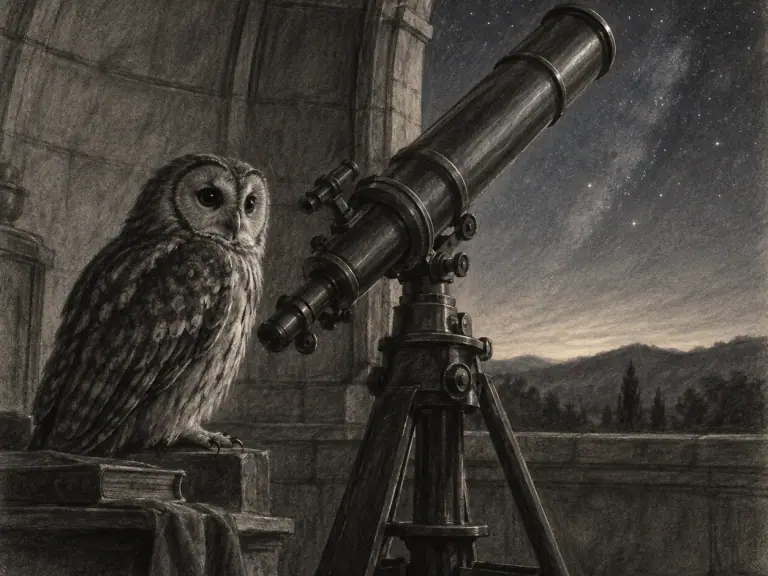
Animals
Draw an owl beside an observatory telescope
Try a familiar animal in an unfamiliar place, with a pose that suggests what happened just before.
Browse drawing suggestions by subject—animals, people, nature, everyday objects, and drawing references. Each idea gives you a clear subject and a simple direction for your next sketch.
Try the suggestion generatorAnimals
Try a familiar animal in an unfamiliar place, with a pose that suggests what happened just before.
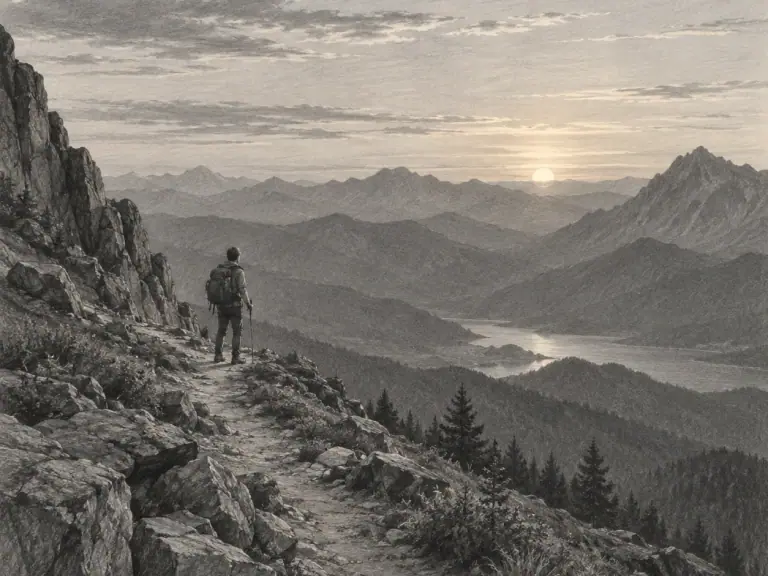
Nature
Build a scene from large silhouettes first, then let distance and atmosphere do the quiet work.
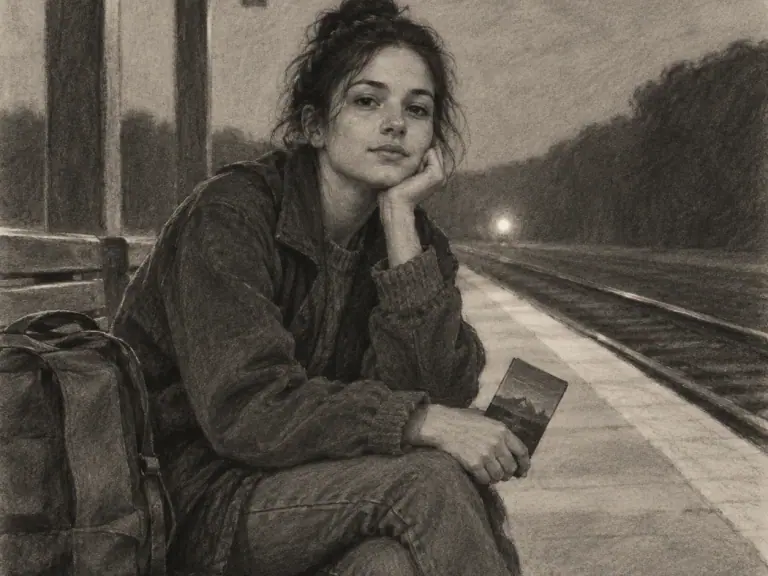
People
A strong line of action can make a simple figure feel present before you add any features.

Drawing references
Use a close study of petals, stems, and light to practice observation without overthinking the result.
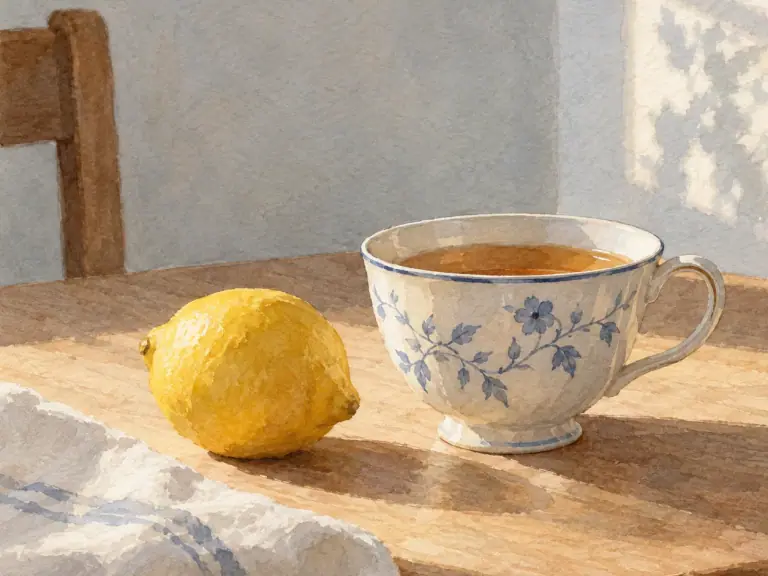
Easy subjects
Choose one object, change the crop, and let texture or shadow become the subject.
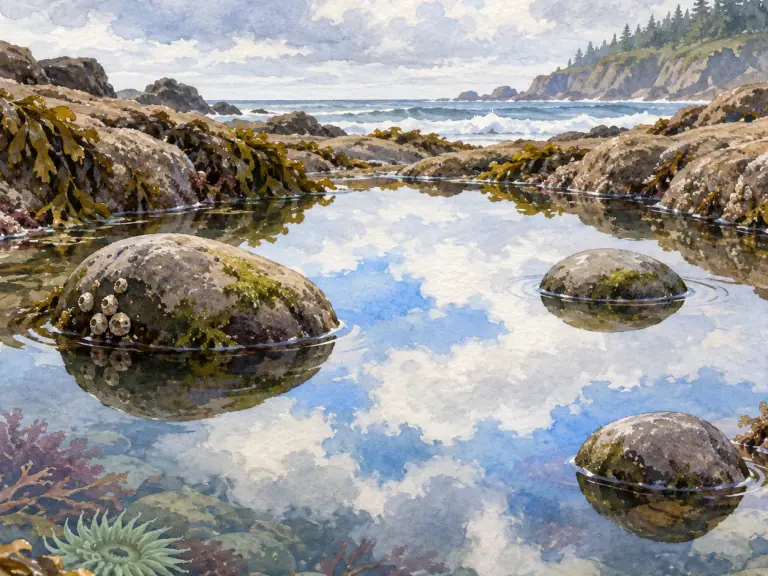
Creative subjects
Water, wind, and reflections are useful studies when you want to practice rhythm and loose marks.
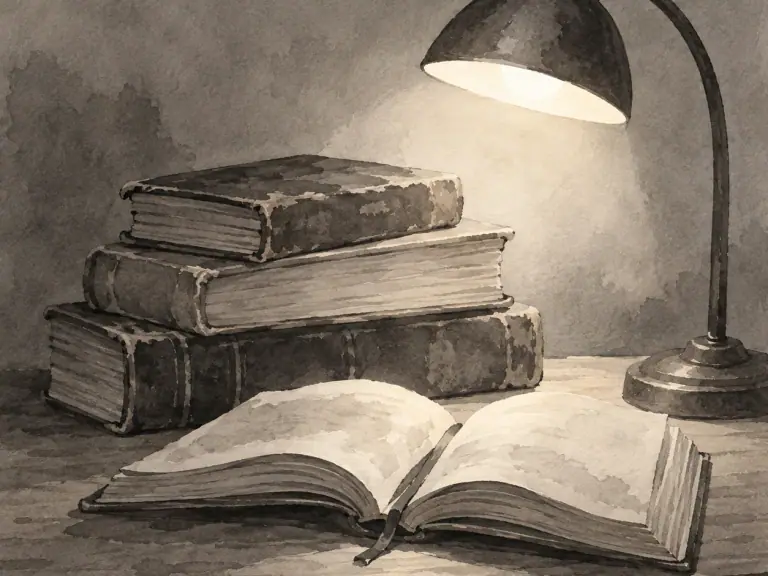
Drawing references
Use books, edges, and quiet shadows to practice proportion before adding detail.
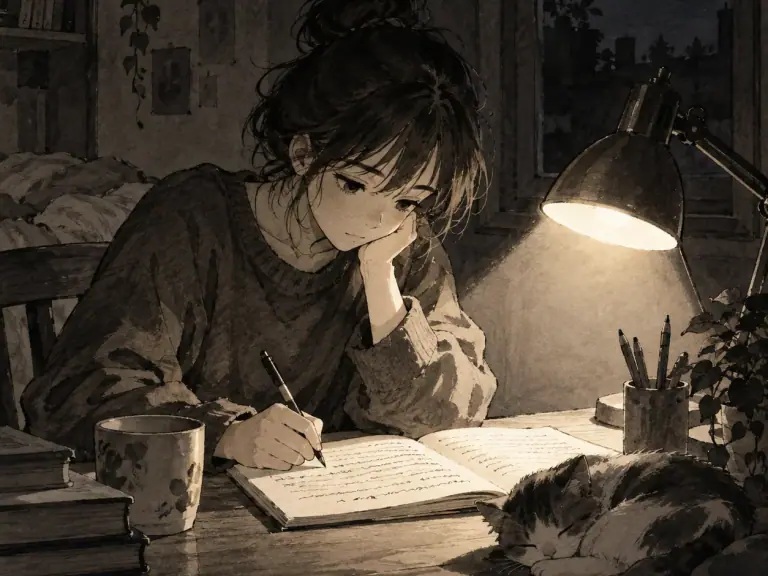
Everyday subjects
A desk, chair, or window can become a small composition when you choose one clear point of focus.

People
Practice a portrait by noticing the large planes of light before you draw individual features.

People
Use a relaxed pose and soft window light to study the gesture that appears before a smile.
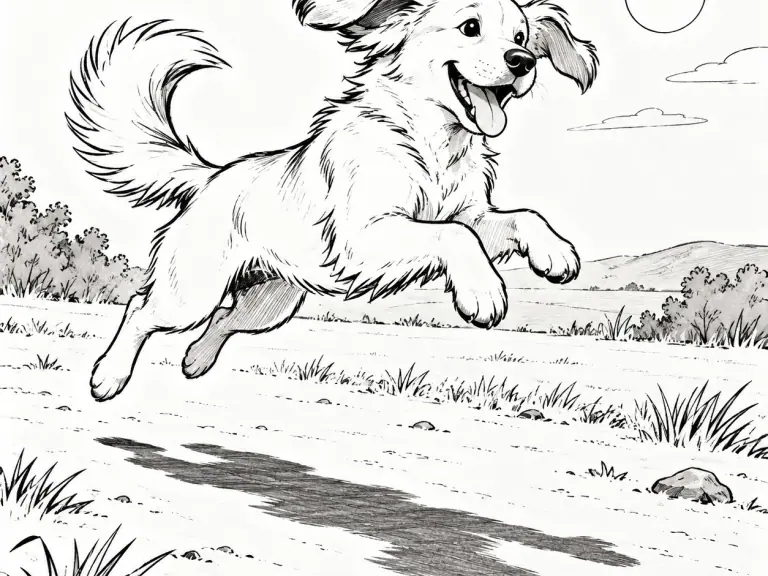
Animals
Start with the silhouette, weight, and direction of the head before adding a familiar expression.
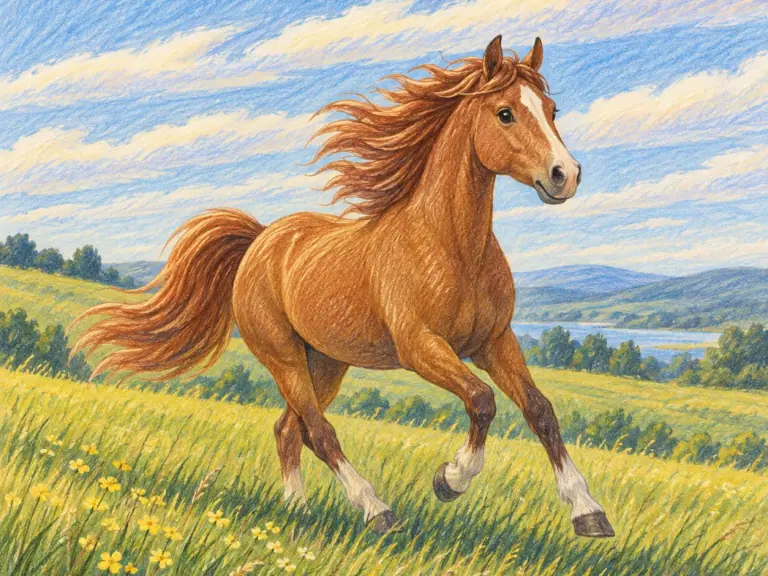
Animals
Use the line of action, weight, and flowing mane to make a moving horse feel grounded in the landscape.
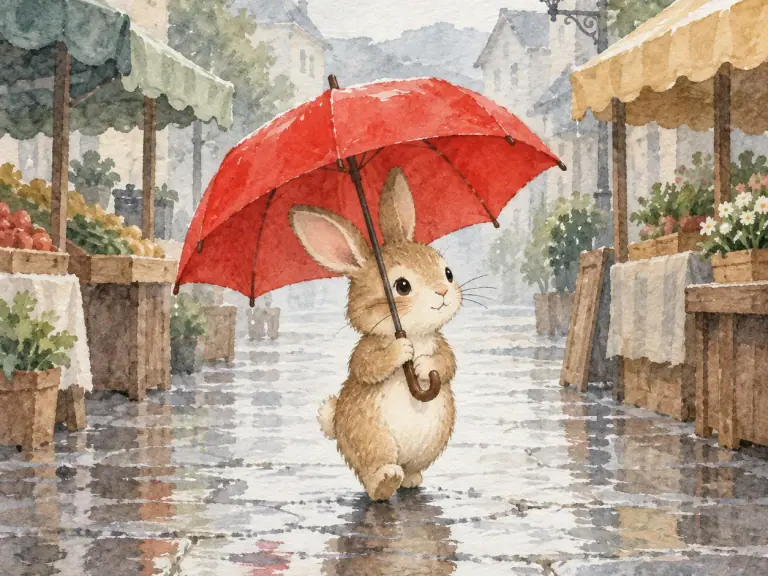
Animals
Start with the umbrella and market shapes, then use the rabbit’s pose to give the rainy scene a little story.
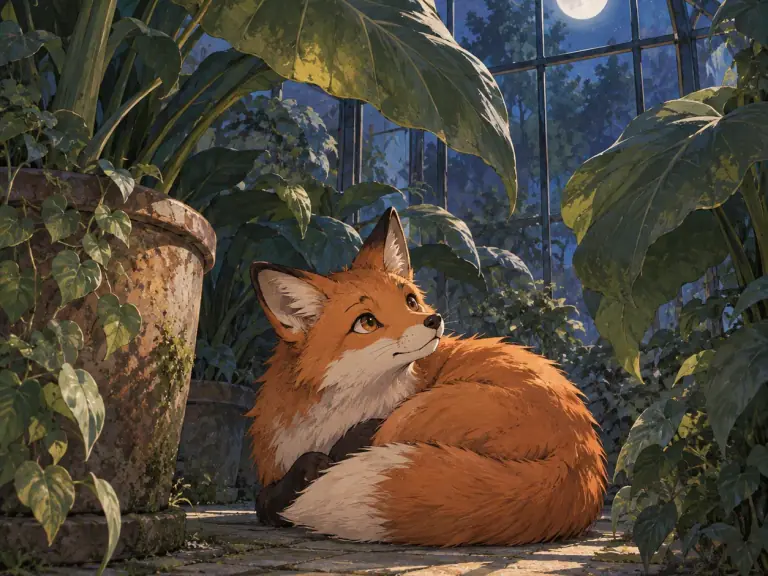
Animals
Try a low viewpoint and a simple background so the animal’s alert posture carries the story.
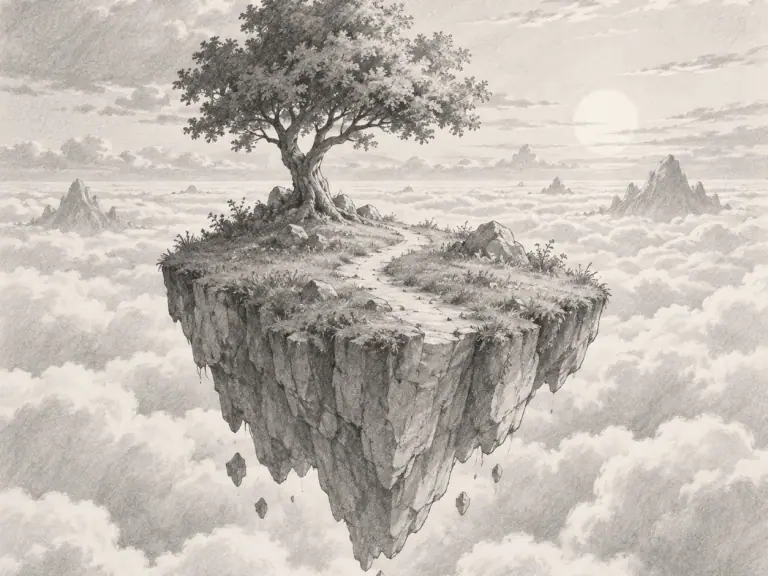
Nature
Block in the cloud shapes first, then place one tree and a narrow path to give the floating island a sense of scale.
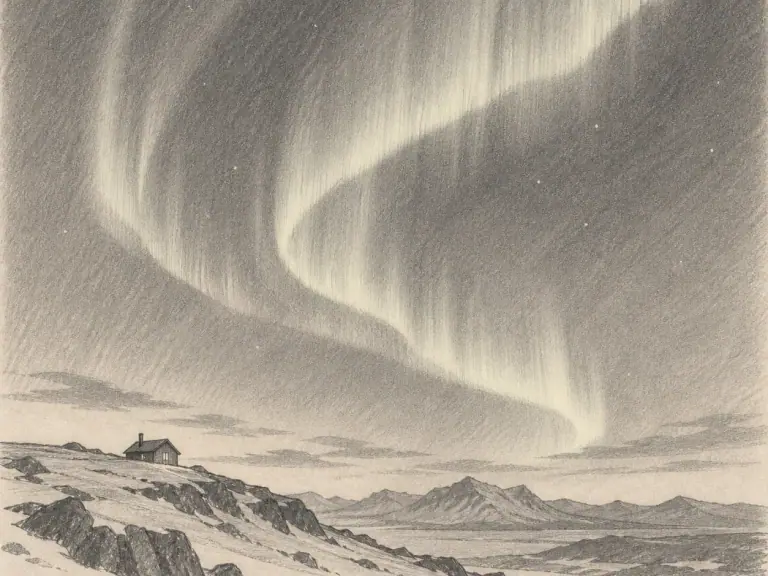
Nature
Use large value shapes, reflected light, and a few crisp edges to describe cold atmosphere.

Nature
Repeat trunks and shadows to create rhythm, then keep one opening quieter as the destination.
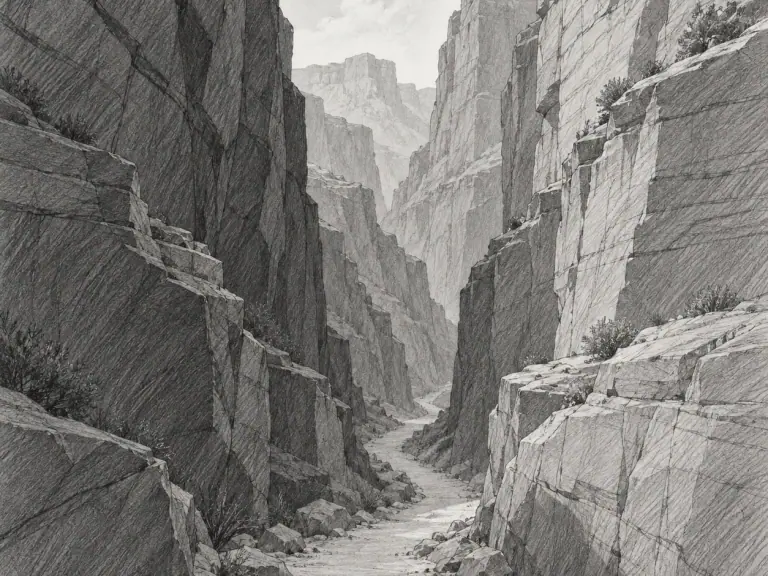
Nature
Layer distant hills, open sky, and a small foreground shape to make space feel expansive.
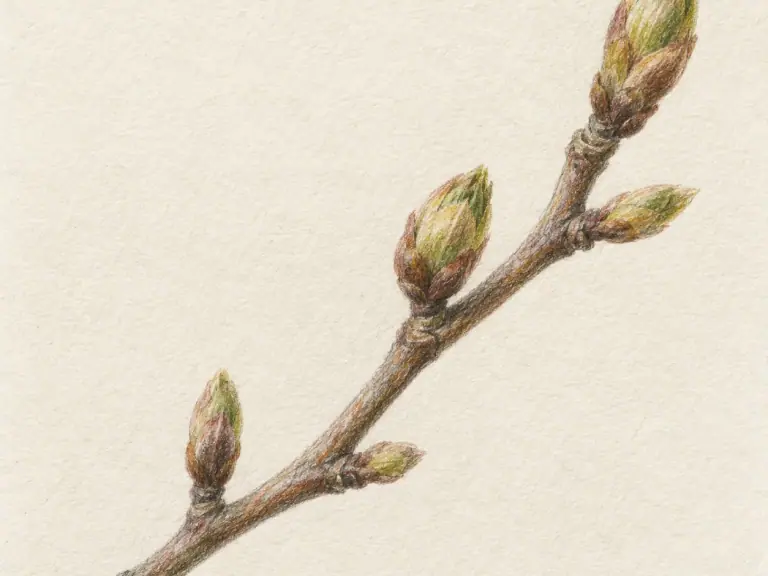
Drawing references
Look for repeated curves, overlapping petals, and the small shadows that make a cluster feel dimensional.

Drawing references
Compare the rhythm of stems and veins, then simplify the group into a clear arrangement of shapes.
Use the suggestion generator when you want a single drawing direction chosen for you.
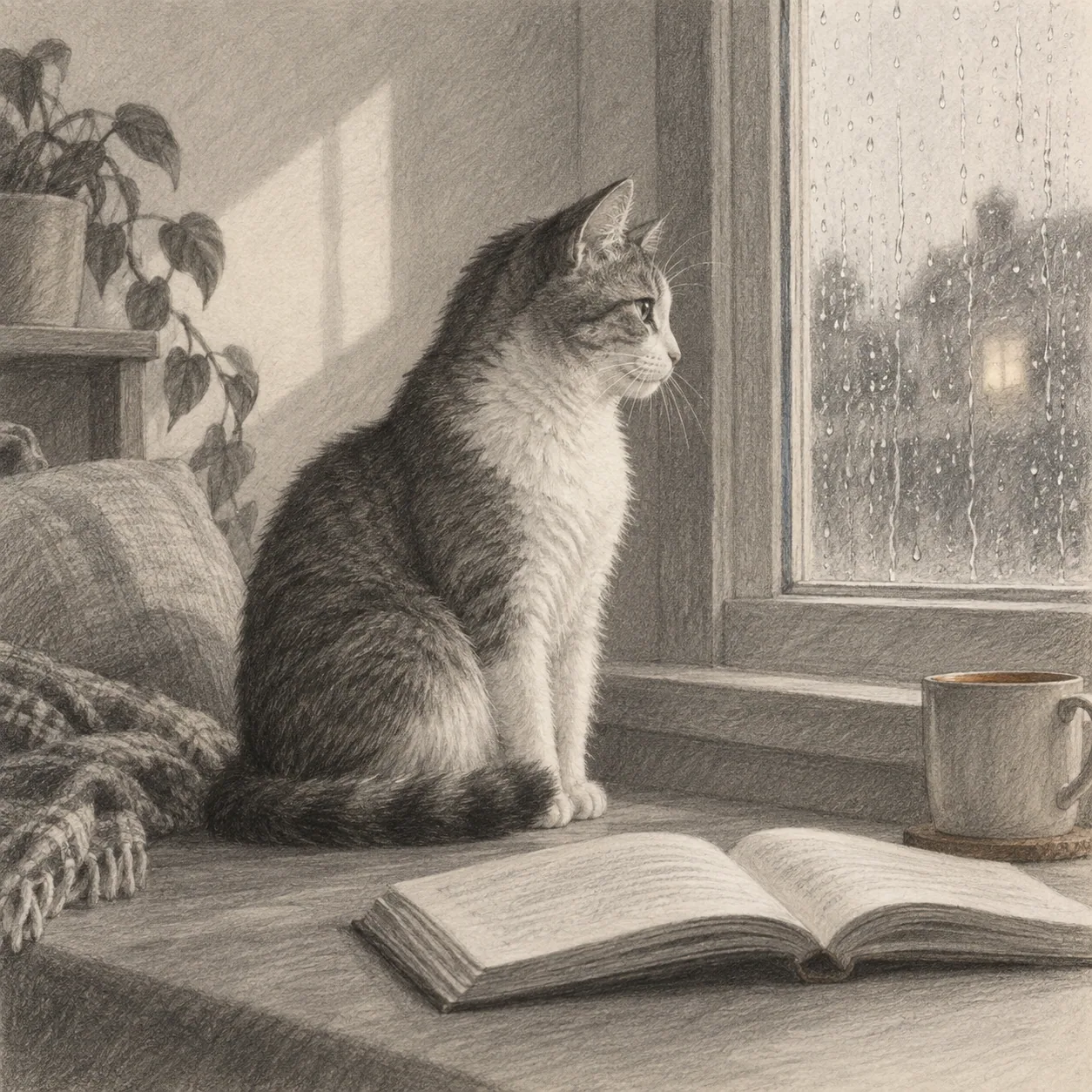
A cat reading beside a rainy window, framed by a quiet room and one bright reflection.
Focus
Silhouette and reflected light
Constraint
Use three values and one warm detail
Draw this suggestion in three moves
Try one of these related drawing suggestions, or browse more drawing suggestions below.
A good drawing suggestion is not a test of skill. It is a small doorway into making something. Use the ideas below to choose a direction, find useful references, and turn a few words into a finished page.
A drawing suggestion gives your attention somewhere to land. Instead of facing the endless question of what to draw, you can begin with a subject, a place, an emotion, or a visual relationship. “A bird” is a starting point; “a bird balancing on a street sign during a summer storm” gives you shape, atmosphere, and a reason to make decisions.
The most helpful suggestions are specific enough to create momentum but open enough to leave room for your voice. They do not prescribe one correct picture. They offer a handful of ingredients—perhaps a pose, a time of day, an unusual scale, or a texture—and let you decide how those ingredients belong together. That is why a focused direction can support both a five-minute sketch and a longer art project.
Begin by noticing your available energy. If you have ten minutes, choose a simple subject built from basic shapes. If you want to study, choose a person, animal, or landscape that gives you a clear opportunity to observe proportion and light. If you want to play, combine two things that do not normally belong together.
You can also choose by the kind of mark you want to make. Soft graphite encourages quiet value changes. Ink makes you commit to line. Colored pencil rewards patience with texture. Digital tools make it easy to try several compositions. The subject matters, but the material changes what you notice, so let your medium guide the suggestion instead of treating the words as a fixed assignment.
Once you have a direction, make three tiny thumbnails before starting the final drawing. Move the subject closer, lower it in the frame, or change the viewpoint. These small experiments remove pressure and help you find the composition with the most energy. Then choose one thumbnail and set a modest limit: one page, twenty minutes, or three values.
During the drawing, return to the central idea whenever you feel lost. Ask what the viewer should notice first, what supports that focus, and which detail can be left out. Finishing does not mean adding everything. It means making enough intentional choices that the drawing feels complete on its own.
References are most useful when you study them for information rather than copy them line by line. Look for the big angle of a shoulder, the pattern of a shadow, the way overlapping shapes create depth, or the texture that tells you what a surface is made of. Put the reference away for a moment, redraw the idea from memory, and then check what you understood.
Combining two or three observations can create a drawing that feels personal. Borrow the posture from one reference, the light from another, and the feeling from your original direction. This process turns visual research into interpretation. Our drawing references and inspiration library are there to help you notice more, not to replace the decisions that make your work yours.
You do not need a large project to practice. Keep a short list of drawing suggestions, return to one whenever you have a spare moment, and record what you learned in a sentence. Over time, those notes become a personal index of subjects, compositions, and techniques that you genuinely want to explore.
When motivation is low, reduce the promise. Draw one object, one gesture, or one patch of light. When curiosity returns, let the same idea grow into a series or a drawing challenge. The goal is not to produce a perfect page every day; it is to keep the next page easy to begin.
Start with the time and attention you have, then choose a subject that fits. In five minutes, you might study one silhouette or cast shadow. With fifteen minutes, compare two objects or add a clear light source. A longer session can hold a setting, a more deliberate composition, or a small visual story. The limit helps you begin without deciding what the finished drawing must become.
If you already know how long you have, browse drawing ideas by time, subject, and level. If you want to look around your desk or room for a subject, start with things to sketch. Both approaches turn a broad question into one visible first move.
A drawing suggestion gives a person a subject, scene, or visual constraint to interpret with their own materials. An AI image prompt is model-ready wording for an LLM or image generator. The two can describe similar subjects, but they support different next steps: making a drawing yourself or asking a model to render an image.
Use the suggestion generator or browse drawing ideas when you want to make the marks yourself. Use the AI image prompt generator when you want text to adapt for an image model. Choosing the right starting point keeps the workflow clear and leaves the creative decisions in the right place.
Clear answers about choosing and using a drawing suggestion.
Drawing suggestions are focused starting points for a sketch or art project. They can name a subject, setting, mood, or small visual challenge so you can begin making instead of waiting for a perfect idea.
Describe anything you would like to draw, such as a sleepy fox, an old train station, or a tiny house in a tree. The tool turns that starting point into a more specific direction with a scene, a visual focus, and a gentle constraint.
Yes. Start with a simple suggestion or choose one clear subject. You can simplify any suggestion by using basic shapes, a smaller composition, or a short time limit, then add detail only if you want more.
You can use the same suggestion with pencil, pen, charcoal, colored pencil, paint, or a digital canvas. Treat the words as a direction rather than a rule and translate the feeling into the materials you enjoy.
Choose one part of the suggestion that feels interesting, make a few tiny thumbnail sketches, and decide on the strongest shape or viewpoint. Add one intentional detail, then stop when the drawing says what you wanted it to say.
The inspiration library gives you visual starting points, while the drawing references page explains how to observe photos without copying them mechanically. Use references to study shape, light, proportion, and texture, then combine those observations with your own idea.
Start with one small subject and let the first mark show you what the drawing wants next.
Browse more starting points

