Easy things to draw
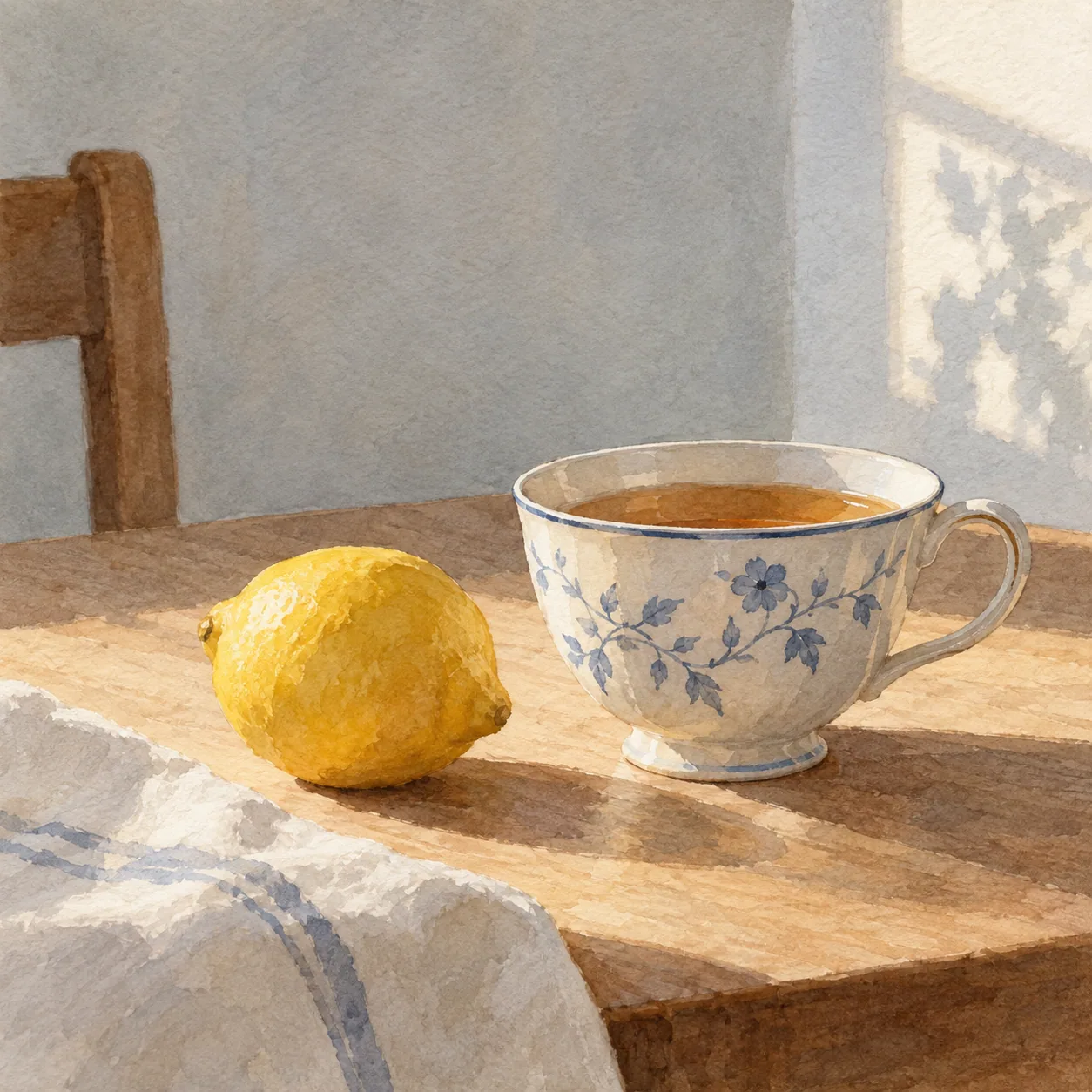 01
A mug with a strong shadow
Use one light source and three values to describe the cylinder, handle, and shadow on the table.
- What to notice
- Ellipses, value groups, and the cast shadow
- First move
- Draw the top ellipse and outer contour before placing the handle.
- Try a variation
- Move the light to the side and compare the new shadow shape.
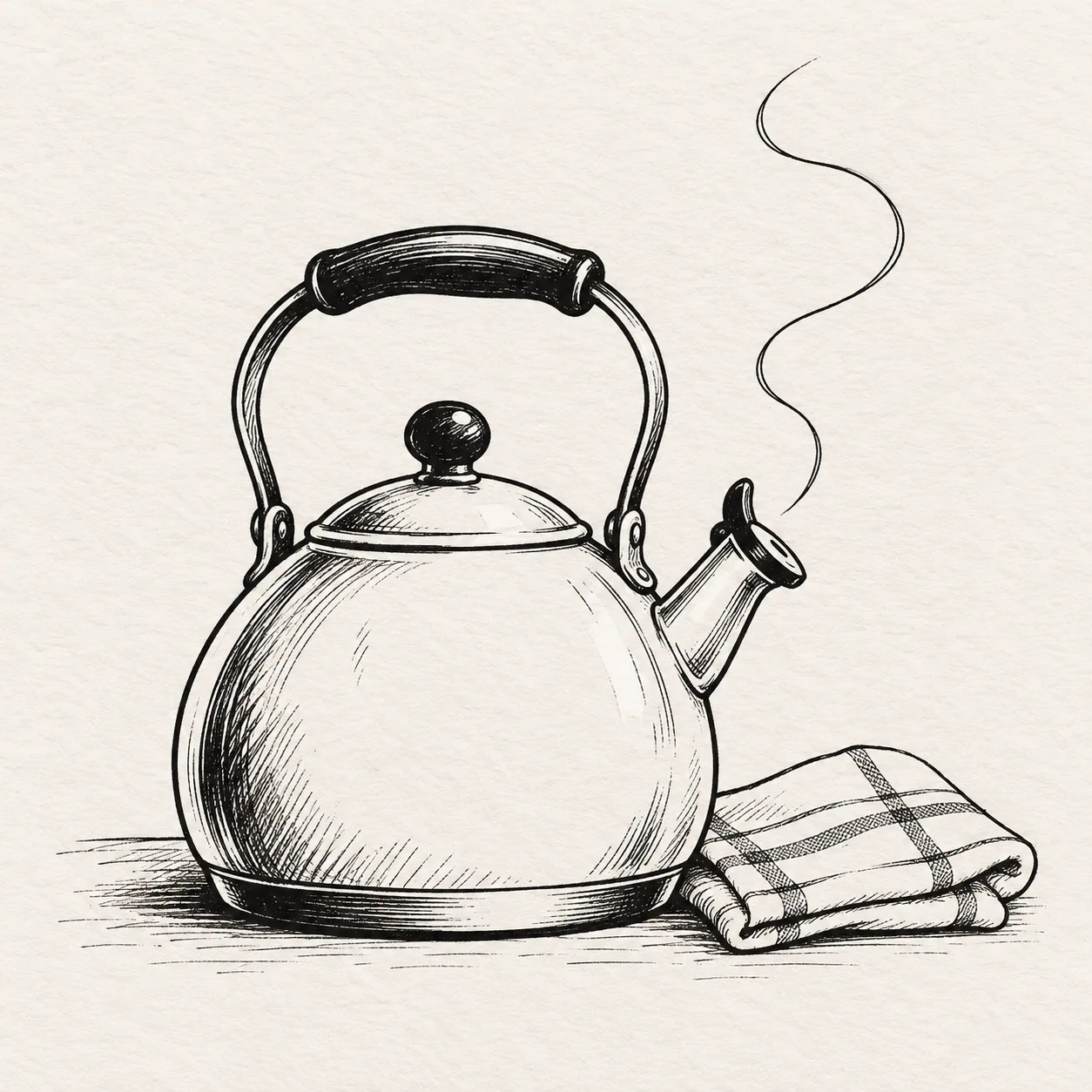 02
Three leaves in a glass
Practice overlap and transparency without needing to draw the entire plant or room.
- What to notice
- Overlap, transparent edges, and the water line
- First move
- Place the glass as two ellipses, then let the stems cross the rim.
- Try a variation
- Replace the leaves with one broad leaf and make the water line the focus.
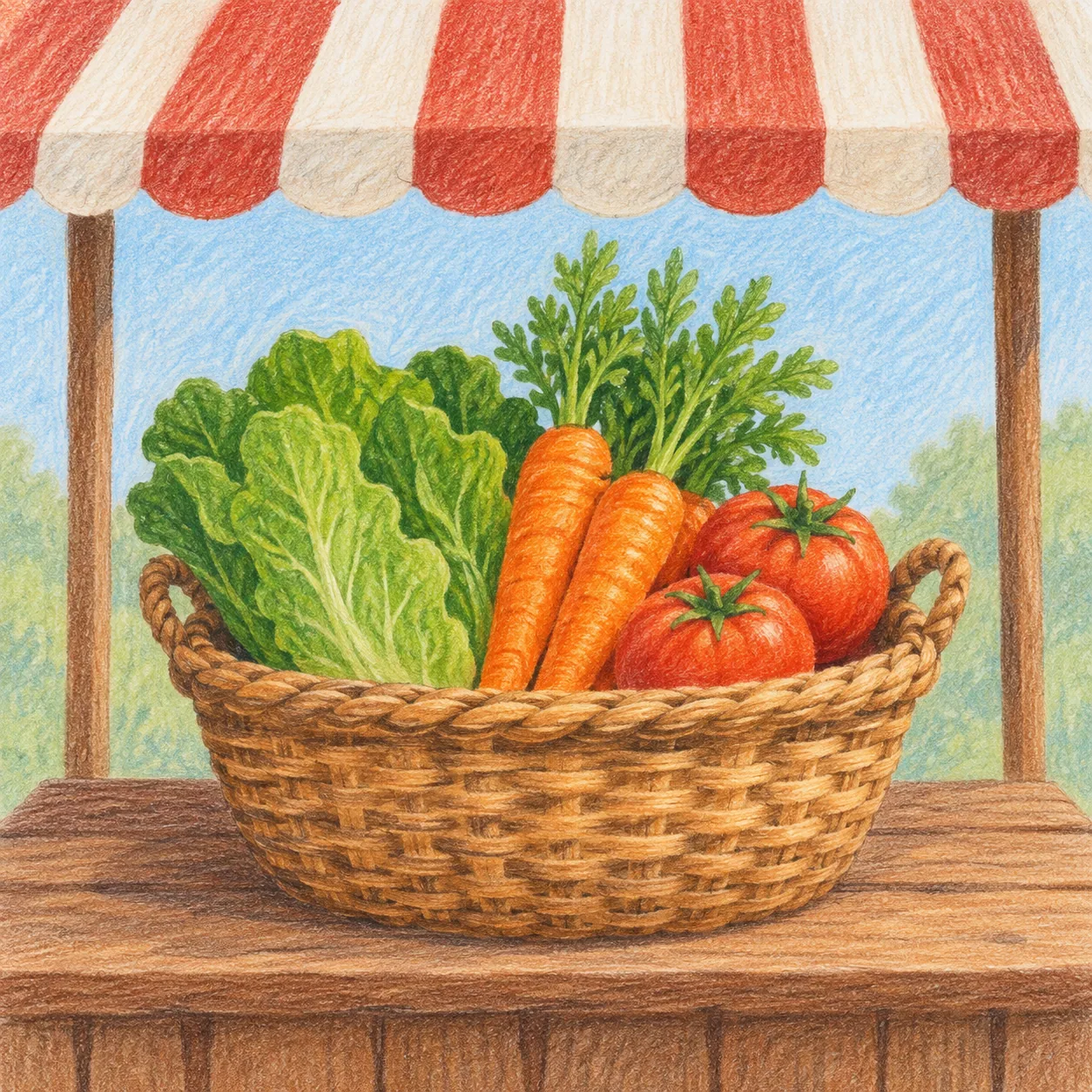 03
A pair of shoes by the door
Focus on the angle of the soles and the small asymmetry that makes the pair feel lived in.
- What to notice
- Angle, proportion, and useful asymmetry
- First move
- Block the soles and the gap between the shoes before adding laces.
- Try a variation
- Turn one shoe toward the viewer and keep the other in profile.
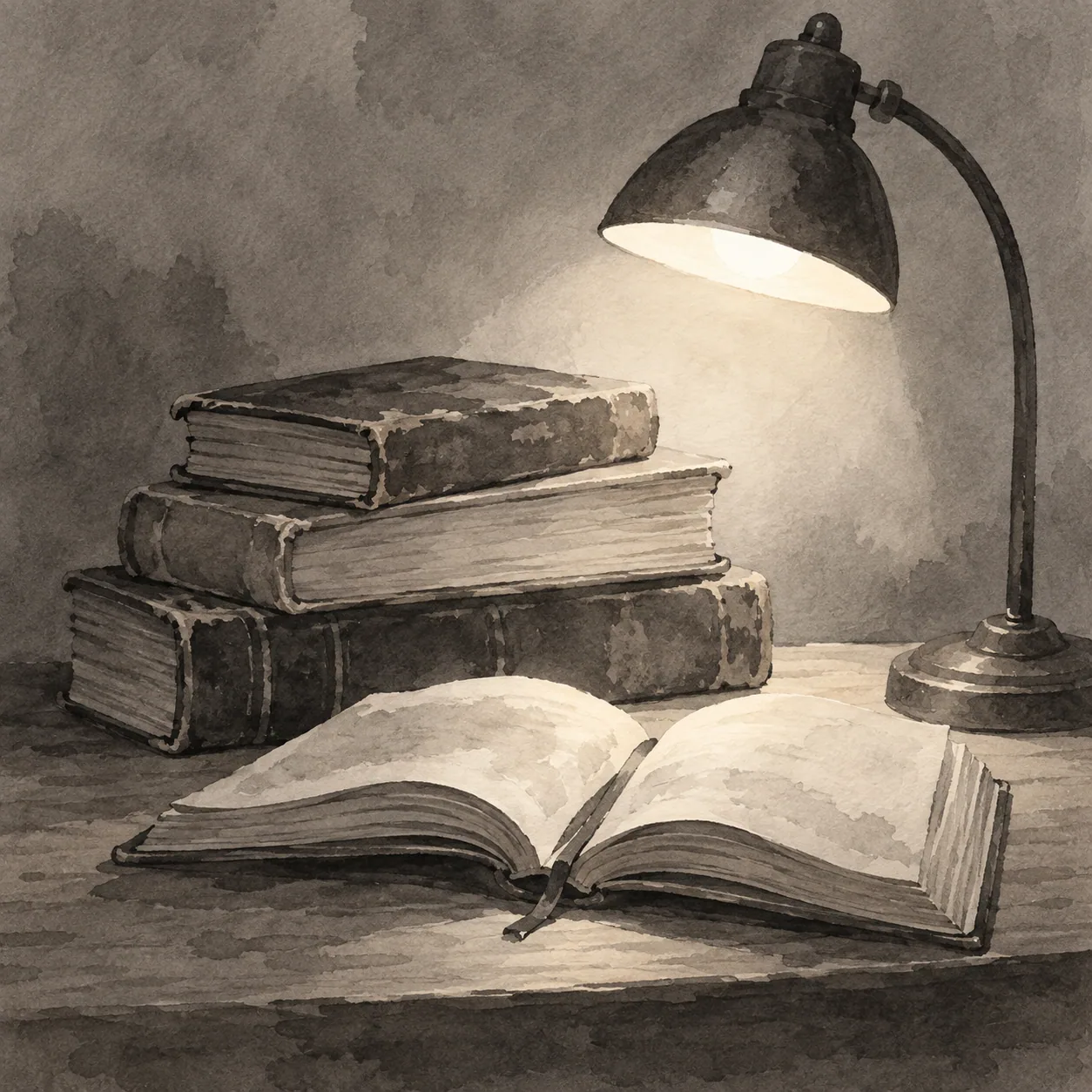 04
A spoon catching the window
Keep the composition small and study the bright reflection rather than rendering every surface.
- What to notice
- Reflection, hard edges, and a small composition
- First move
- Reserve the window highlight as a single shape before drawing the spoon.
- Try a variation
- Crop closer until the reflected window becomes the background.
Simple does not mean boring
A familiar object can teach you about proportion, light, texture, and composition. Reduce the subject first, then add only the detail that helps you see it more clearly.
50 easy drawing ideas
Use this list when you want a concrete subject with a manageable shape. Choose one, set a short limit, and let the first version stay simple.
Build from circles, boxes, and curves
Look for the basic forms inside an object before you worry about its surface. A mug can begin as a cylinder, a plant pot as a tapered box, and a shoe as a long wedge. These simple forms give you a structure to refine.
Draw the object from two or three angles. You will learn more from comparing the changes in ellipse, overlap, and proportion than from making one careful copy.
- 01A round apple
- 02A striped mug
- 03A house key
- 04A folded sock
- 05A pair of glasses
- 06A simple sneaker
- 07A potted cactus
- 08Three stacked books
- 09A desk lamp
- 10A spoon and its shadow
Use a short, clear constraint
Try a ten-minute sketch, a single continuous line, or a drawing made from only three values. A constraint keeps you from polishing one corner too early and makes the process feel manageable.
Keep the first version visible even when it feels imperfect. The purpose of an easy drawing is to notice what your hand understands today, not to prove that you can produce a finished illustration every time.
- 11A glass of water
- 12A small backpack
- 13A coat hanging on a hook
- 14A kitchen timer
- 15A peeled banana
- 16A lemon cut in half
- 17A bowl of fruit
- 18A paperclip
- 19A pair of scissors
- 20A roll of tape
Let the next drawing grow naturally
After a simple study, change one variable. Put the object in a new light, combine it with another object, or crop it so closely that texture becomes the main subject.
This is how easy drawing ideas become a personal series. Repetition gives you a way to see progress while each small change keeps the work curious.
- 21A candle in a jar
- 22A bar of soap
- 23A toothbrush and cup
- 24A folded towel
- 25A single plant leaf
- 26A pinecone
- 27A smooth stone
- 28A seashell
- 29A feather
- 30A simple flower
Make progress visible
Keep the first version of an easy drawing idea instead of judging it only by its finish. Date the page, write down the material, and add one sentence about what you noticed. A month later, the notes will show changes in proportion, confidence, and patience that a single polished image cannot reveal. The record also gives you a friendly way to restart after a break because you can see exactly where the last session ended.
When a subject feels familiar, change the question rather than abandoning it. Draw the same mug from above, describe only its shadow, or place it beside an object with a different texture. Small variations keep practice concrete and help you discover what you enjoy. Easy drawing ideas are valuable because they reduce the distance between thinking and making; the next step can remain simple while your observation becomes more precise.
- 31A closed umbrella
- 32A rain boot
- 33A baseball cap
- 34A scarf on a chair
- 35A wallet
- 36A small camera
- 37A notebook
- 38A pencil cup
- 39A keyring
- 40A window latch
Use ordinary objects as dependable teachers
Everyday objects are useful because you can return to them and check what you saw. Put a cup, key, shoe, or plant on a table and first draw its outside shape. Then compare the negative space around it, the direction of the light, and the way its shadow touches the surface. These observations build a foundation for more complex subjects without needing a special setup.
Change one condition for the second study: turn the object, move the lamp, or place it next to something with a different texture. Keep the page small enough that the exercise has a clear finish. Repeated easy drawing ideas become a quiet way to improve because each attempt asks for a slightly sharper observation while keeping the act of beginning familiar.
- 41A chair seen from above
- 42A plate with crumbs
- 43A teapot
- 44A pair of headphones
- 45A reusable water bottle
- 46A folded paper boat
- 47A small toy car
- 48A stuffed bear
- 49A house built from basic boxes
- 50A shoe drawn from two angles
The complete collection stays on the page so you can scan it, save a subject, and return when the next blank page arrives.
Questions about easy drawing ideas
Use these practical answers to choose a subject, set a useful limit, and keep a simple sketch moving.
How should I begin an easy drawing?
Choose one familiar subject, reduce it to its largest shape, and decide on a small finish line such as ten minutes or three values. The first goal is to make the subject readable, not to add every detail.
What are good easy things to draw?
Mugs, books, leaves, shoes, fruit, plants, and simple household objects are useful because you can observe them directly and compare their shapes from more than one angle.
How long should an easy drawing take?
Five to twenty minutes is enough for a focused study. Stop after the main silhouette, one useful detail, and one shadow are working together, then begin another version if you want more practice.
Should beginners use a reference for easy drawings?
Yes. A nearby object or clear reference helps you study proportion, overlap, and light. Use it to notice information, then make your own decisions about the crop and materials.
How can I improve with simple drawings?
Repeat the same subject from a new angle or under a different light. Compare the large shapes first, write down one observation, and let each small study teach you what to change next.