Five prompt ideas for Face
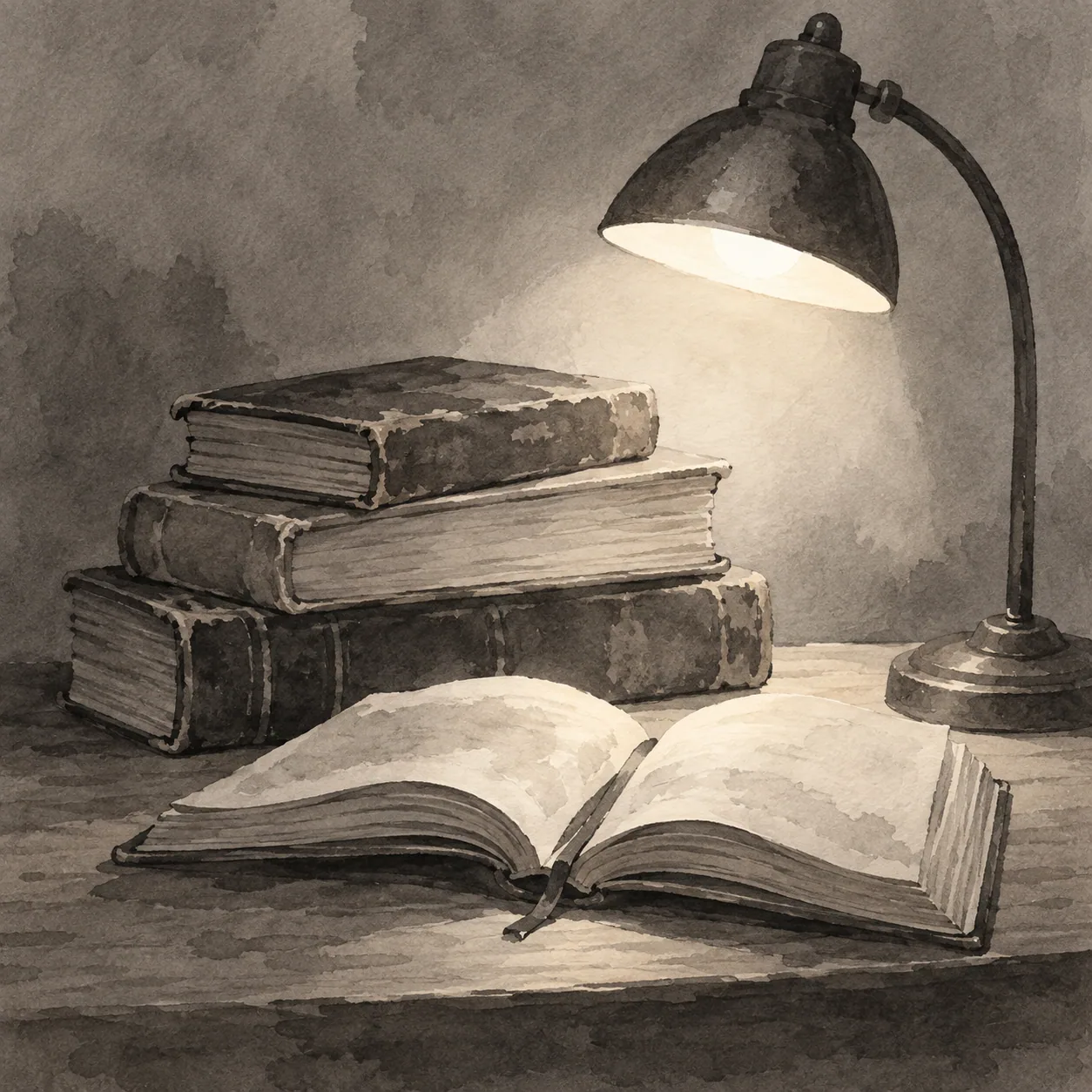 01
Face with a clear silhouette
Place a face turned toward window light in a readable frame and let brow, nose, cheek, and jaw planes carry the first visual decision.
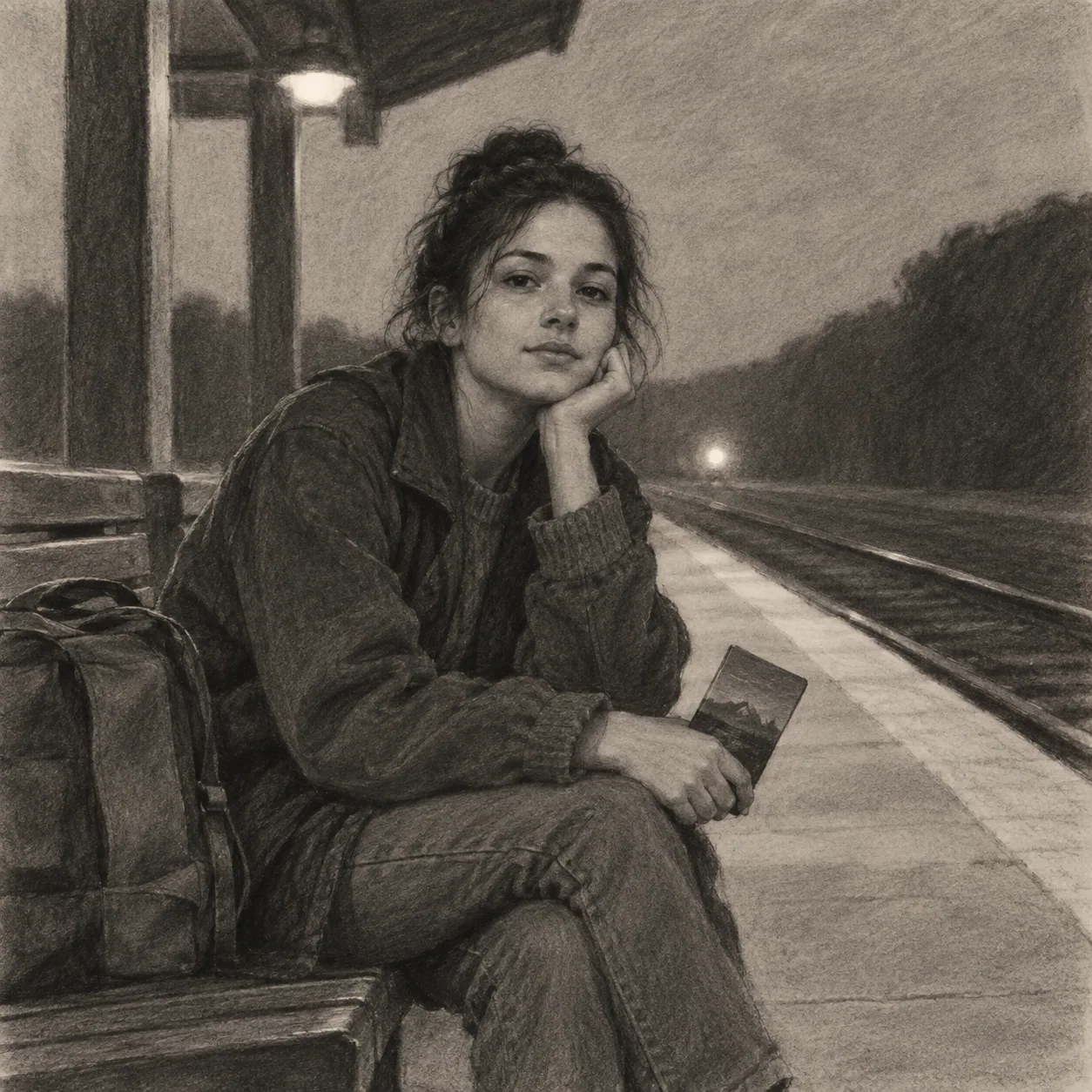 02
Face in presence and proportion
Use presence and proportion as the mood, then keep quiet portraiture and graphite consistent so the prompt has a stable center.
 03
A close Face study
Crop toward brow, nose, cheek, and jaw planes and leave the surrounding detail restrained. This gives the model a simple hierarchy to follow.
 04
A wider Face scene
Pull back to show context around a face turned toward window light, using one compositional line to guide the eye through the image.
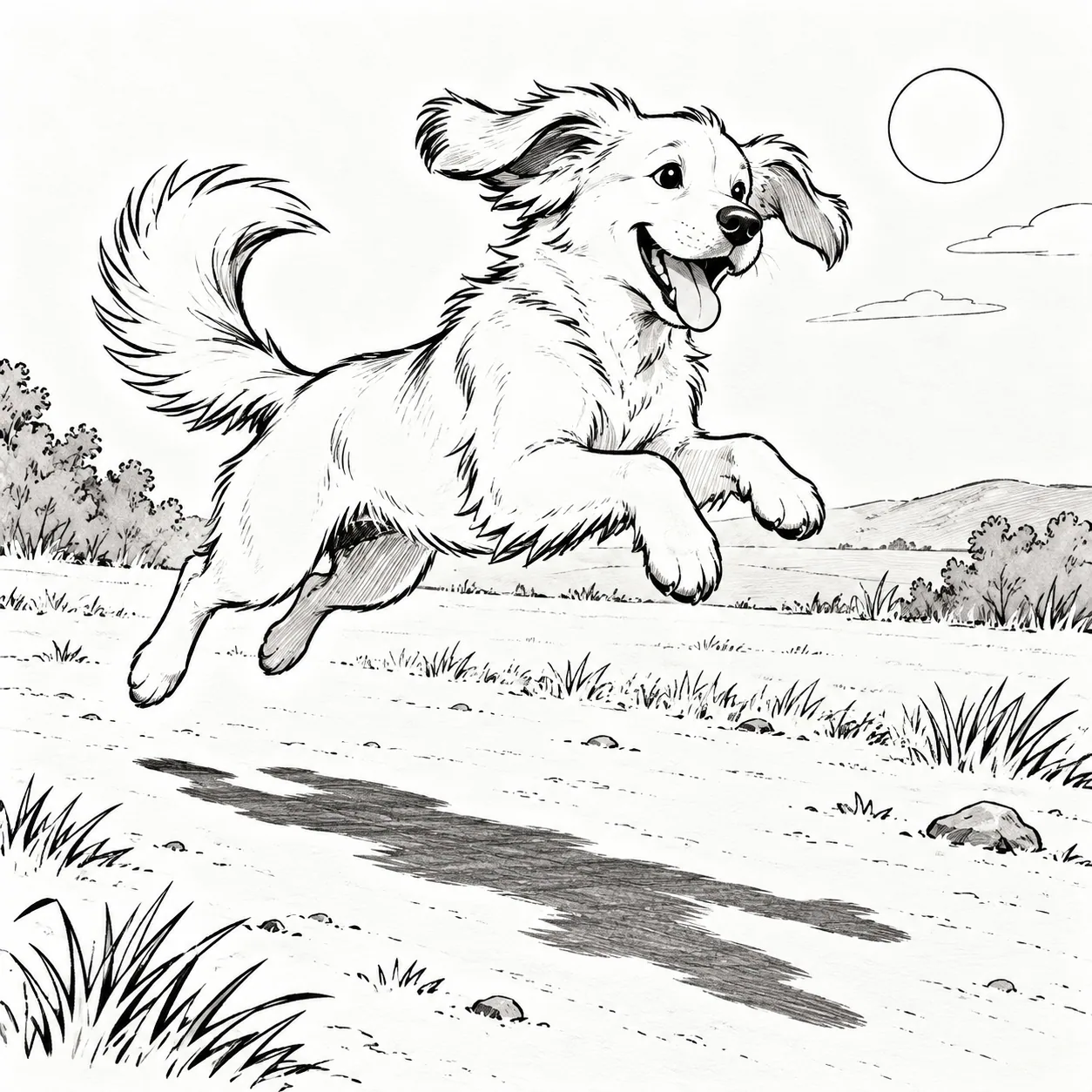 05
A new variation of Face
Keep a face turned toward window light and change one variable: light, crop, surface, or the balance between detail and open space.
A practical prompt order
Write the subject first, then add the style, medium, focus, and one compositional choice. This order makes Face prompts easier to read, edit, and compare.
Start with the central subject
The first sentence should tell the model what the image is about. For Face, begin with a face turned toward window light before adding atmosphere or surface language.
A concrete subject gives every later choice something to support.
Use a controlled visual vocabulary
Add quiet portraiture, graphite, and brow, nose, cheek, and jaw planes only when they clarify the intended result. Each term should change what the viewer sees.
If the prompt becomes crowded, remove the least important adjective and compare again.
Iterate one decision at a time
Save a base version, then vary the crop, light, or texture. Small experiments show which prompt language is actually helping Face.
Keep the strongest result as a reference for the next round.
Make the next version useful
A good variation changes the mood or viewpoint without changing the identity of a face turned toward window light. Try a tighter frame or a quieter background.
This keeps the page exploratory without turning it into random prompt noise.