Good places to start
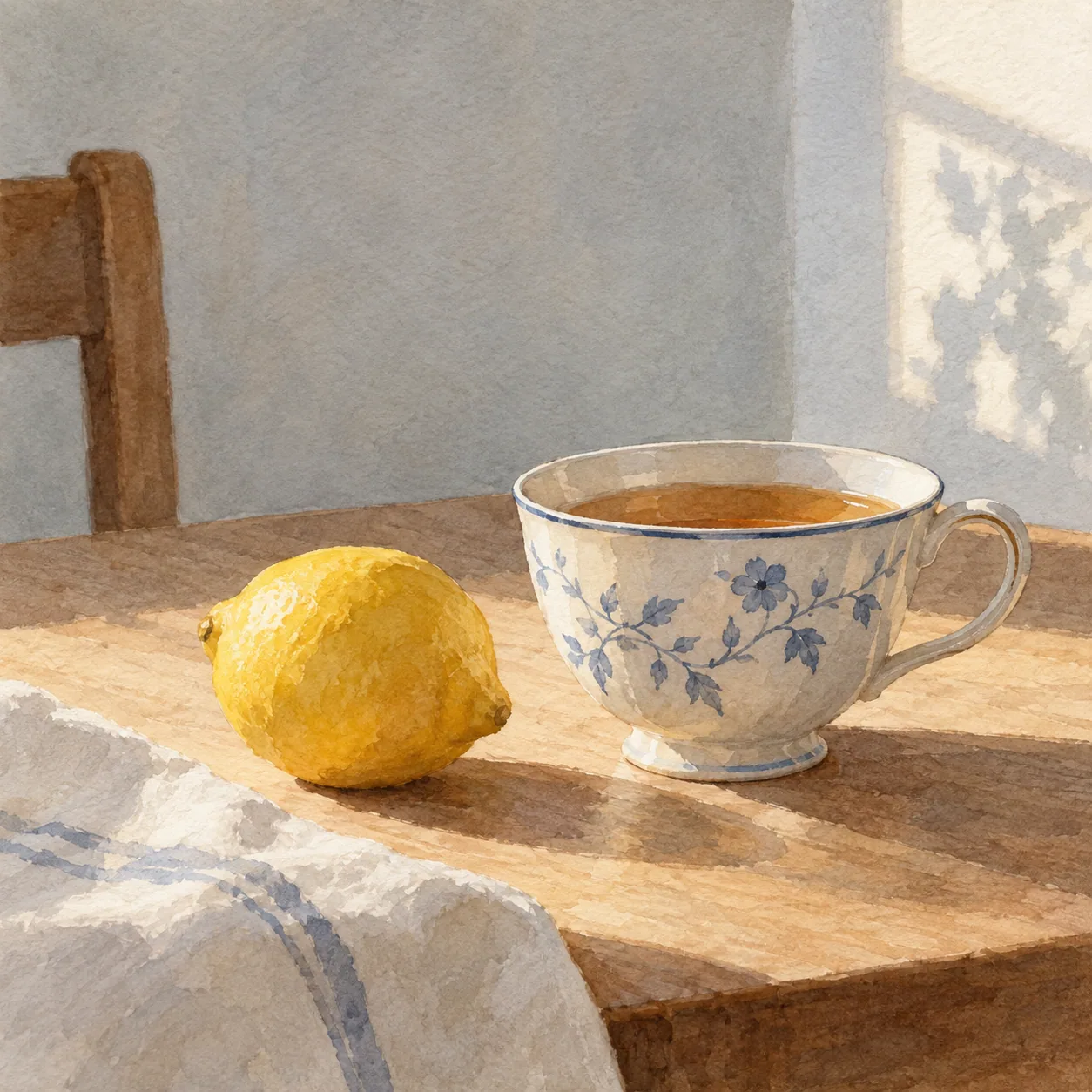 01
A cup beside a window
Use the rim, handle, and cast shadow to build a small study with one clear light source.
- What to notice
- Ellipse, light direction, and negative space
- First move
- Draw the window edge and cup silhouette, then place the cast shadow.
- Try a variation
- Turn the cup so the handle creates the main negative shape.
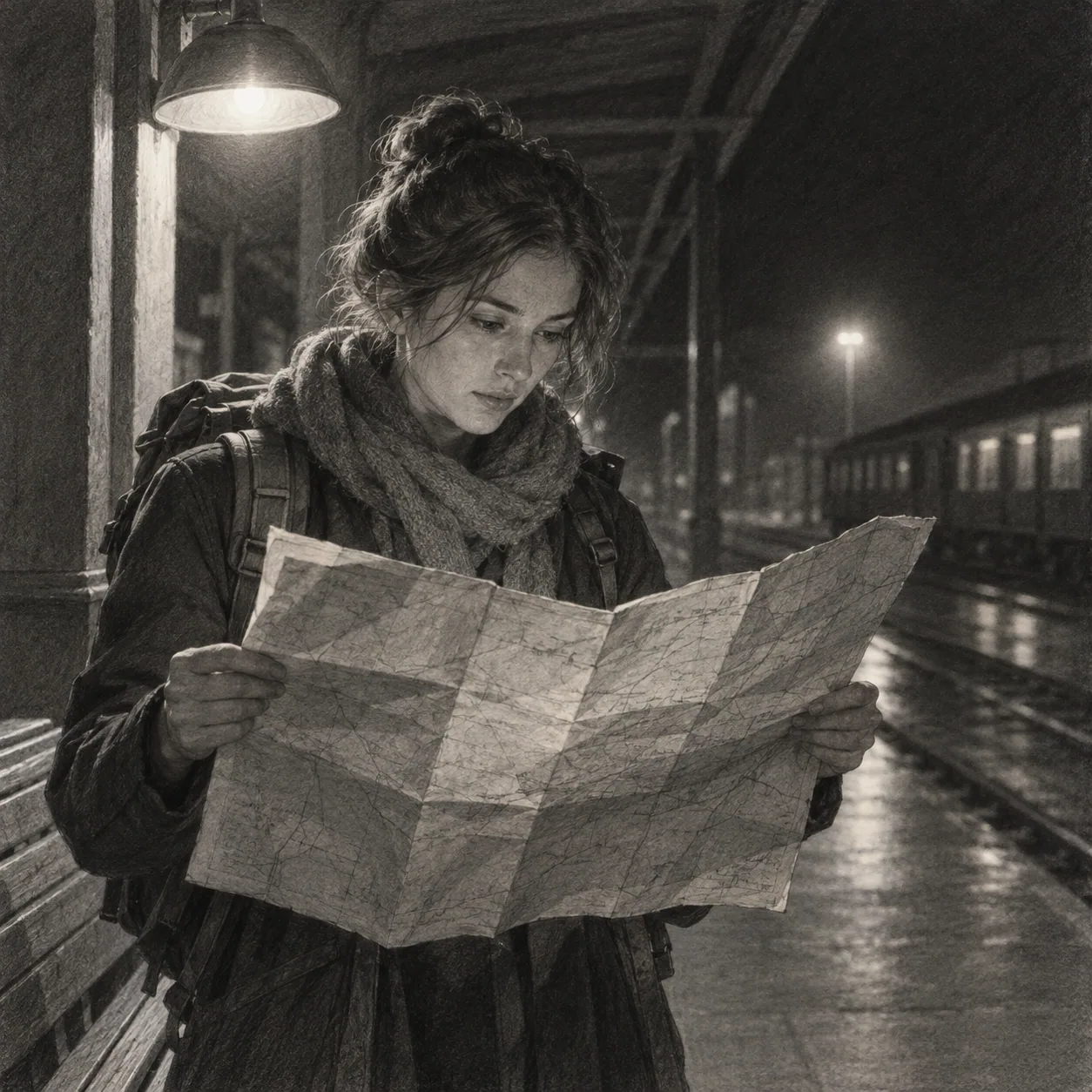 02
A person waiting with a bag
Focus on the gesture and the relationship between the figure, the bag, and the ground plane.
- What to notice
- Gesture, weight, and the ground plane
- First move
- Mark the head, shoulder line, and bag direction in three strokes.
- Try a variation
- Move the figure closer to the edge and let the bag balance the composition.
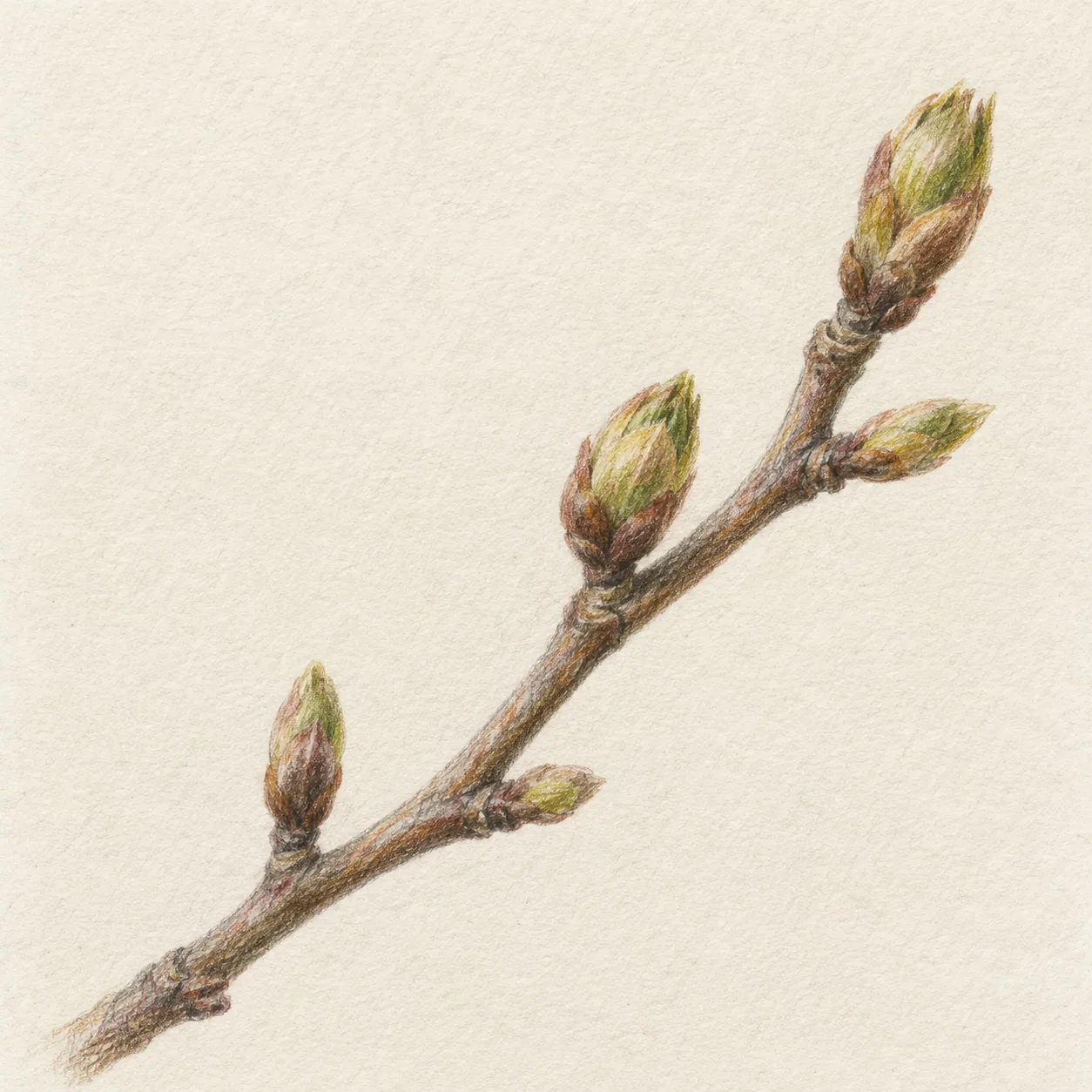 03
A branch crossing the sky
Simplify the branch into a strong rhythm of lines and let the open sky become the quiet shape around it.
- What to notice
- Line rhythm, open space, and edge quality
- First move
- Trace the branch's main rhythm before adding any small twigs.
- Try a variation
- Crop closer and use the sky as a single quiet value.
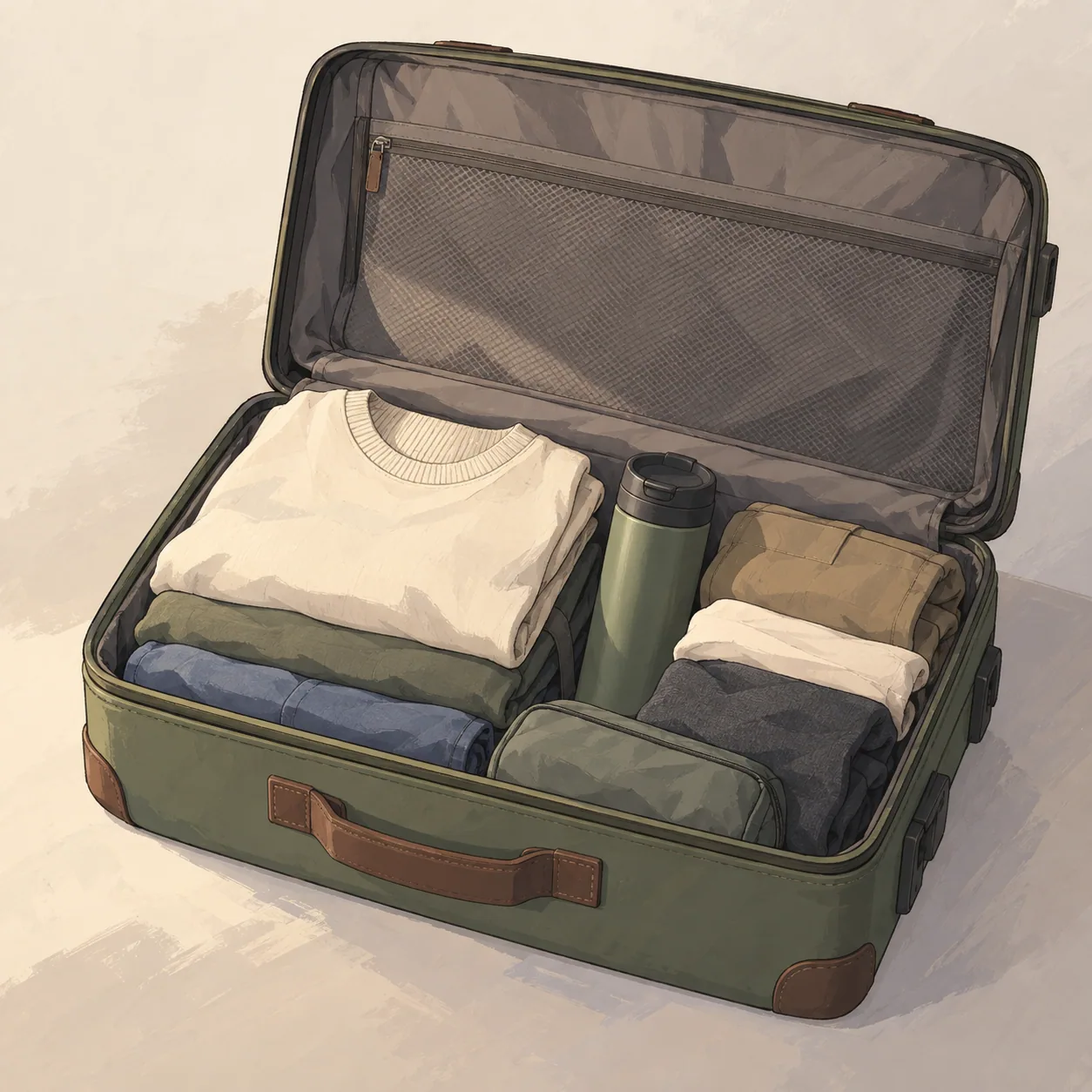 04
A house inside a suitcase
Choose one believable scale relationship and let the suitcase, room, and tiny roof tell the story.
- What to notice
- Scale, overlap, and an implied interior
- First move
- Draw the suitcase rectangle, then place the house so its scale reads immediately.
- Try a variation
- Open the suitcase farther and let one room become the focal point.
Browse a catalog, then choose one subject
A good list of things to draw gives you useful categories without creating another decision problem. Start with nearby objects, move toward wider scenes, and choose the amount of detail that fits today.
50 things to draw by category
Browse by the kind of attention you want: quick shapes, observation, people, nature, or an imaginative problem to solve. For a personalized shortlist, use What to Draw.
For a quick warm-up
Choose a subject with a simple silhouette when you have five or ten minutes. A spoon, leaf, shoe, or cup can become a useful study of shape, overlap, and shadow without needing a large setup.
Set a visible finish line before you start. One page, three values, or the length of a song is enough. The constraint turns a long list of things to draw into one small action.
- 01A cup beside a window
- 02A person waiting with a bag
- 03A branch crossing the sky
- 04A house inside a suitcase
- 05A desk after a long day
- 06A bicycle leaning against a wall
- 07A pair of shoes by a doorway
- 08A bowl of fruit from above
- 09A chair in a patch of sunlight
- 10A stack of folded clothes
For ordinary objects
Everyday objects are reliable because you can turn them, move the light, and look again. Draw the same object from above, from the side, and close enough that its texture becomes the main subject.
Pay attention to the negative space around the object. The gap inside a handle, the angle below a chair, or the shape between two books can teach proportion as clearly as the object itself.
- 11A hand holding a small stone
- 12A face reflected in a spoon
- 13A coat on an empty hook
- 14A book opened to a map
- 15A lamp beside a sleeping pet
- 16A plant casting a long shadow
- 17A single leaf on a notebook
- 18A pinecone beside a shell
- 19A flower in a glass jar
- 20A stone path after rain
For a study from nature
Leaves, stones, flowers, clouds, and branches offer repeated shapes with small changes. Use them to practice rhythm, edge quality, and the way light shifts across a group rather than trying to record every detail.
A natural subject can stay simple while the viewpoint changes. Crop close for texture, step back for a larger silhouette, or add one human-made object to show scale and create a relationship.
- 21A tree viewed from below
- 22Clouds above a quiet roof
- 23A mountain reflected in water
- 24A small bird on a wire
- 25A dog looking through a doorway
- 26A cat curled on a blanket
- 27A person reading on a bench
- 28A hand reaching for a cup
- 29A dancer between movements
- 30A child carrying a large plant
For people and gestures
A person can be a full portrait, a quick gesture, or a small figure inside a larger place. Start with the action and direction of the body before you worry about facial features or clothing detail.
Use a short pose, a familiar object, or a clear light source as the anchor. The drawing becomes easier to organize when the figure has something to do and the viewer knows where to look first.
- 31A baker arranging bread
- 32A traveler folding a map
- 33A musician tuning an instrument
- 34A cyclist waiting at a crossing
- 35A lighthouse in the distance
- 36A greenhouse at dawn
- 37A bridge over a narrow stream
- 38A forest path after rain
- 39A boat tied to a quiet dock
- 40A row of windows at night
For an imaginative scene
Combine two subjects that do not normally share a space, then choose one rule that makes the combination believable. A train in a teacup, a garden in a suitcase, or a moon in a kitchen can all begin with a single visual relationship.
Make three tiny thumbnails and compare the premise, scale, and mood. Keep the version with the clearest question. The best thing to draw is often the idea that leaves you curious about what happens next.
- 41A train passing behind a field
- 42A market stall before opening
- 43A small garden in a box
- 44A paper boat in a puddle
- 45A moon above a kitchen table
- 46A submarine in a flower bed
- 47A library inside a tree
- 48A dragon curled around a lantern
- 49A tiny town on a turtle's shell
- 50A whale swimming through clouds
The complete collection stays on the page so you can scan it, save a subject, and return when the next blank page arrives.