A five-part Cartoon prompt blueprint
Move from the main subject to the visual decisions around it. This order keeps a Cartoon prompt specific without making it difficult to revise.
- 01
Name the main subject
Start with the person, creature, place, or object that should remain recognizable in every version.
- 02
Choose the frame
Decide whether the subject needs a close study, a centered view, or a wider scene with room to breathe.
- 03
Describe the surface
Add a material or mark-making choice that supports the subject, such as paper grain, ink edges, or soft paint.
- 04
Set the light
Give the image one readable light direction or atmosphere so the forms share the same visual world.
- 05
Change one condition
Keep the subject stable and vary one useful condition—angle, season, crop, or mood—for the next generation.
Six Cartoon prompt starting points
 01
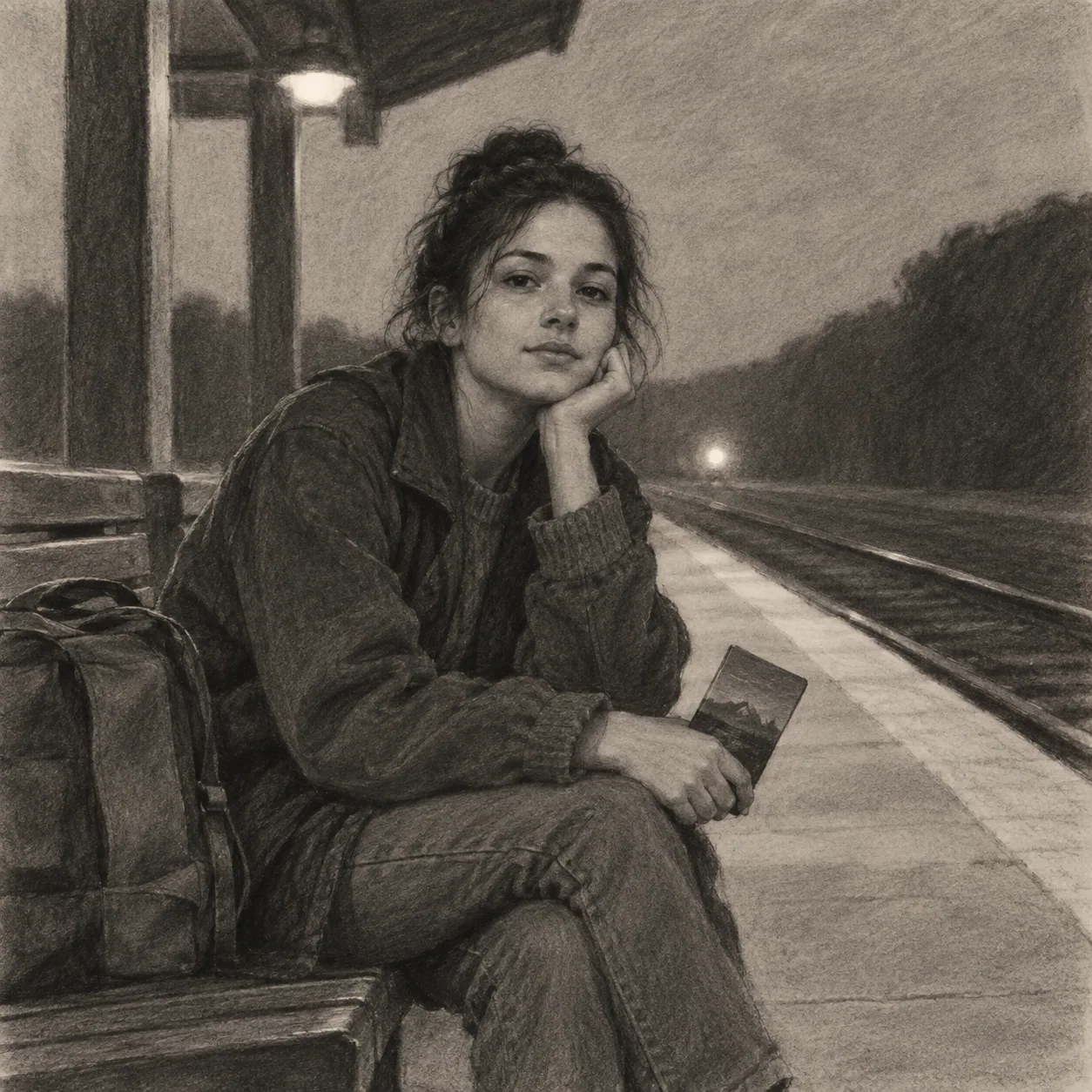
A Cartoon scene with a readable silhouette and expressive exaggeration
Combine an expressive character with a readable silhouette and expressive exaggeration, then choose a simple frame that gives the main idea room to read.
 02
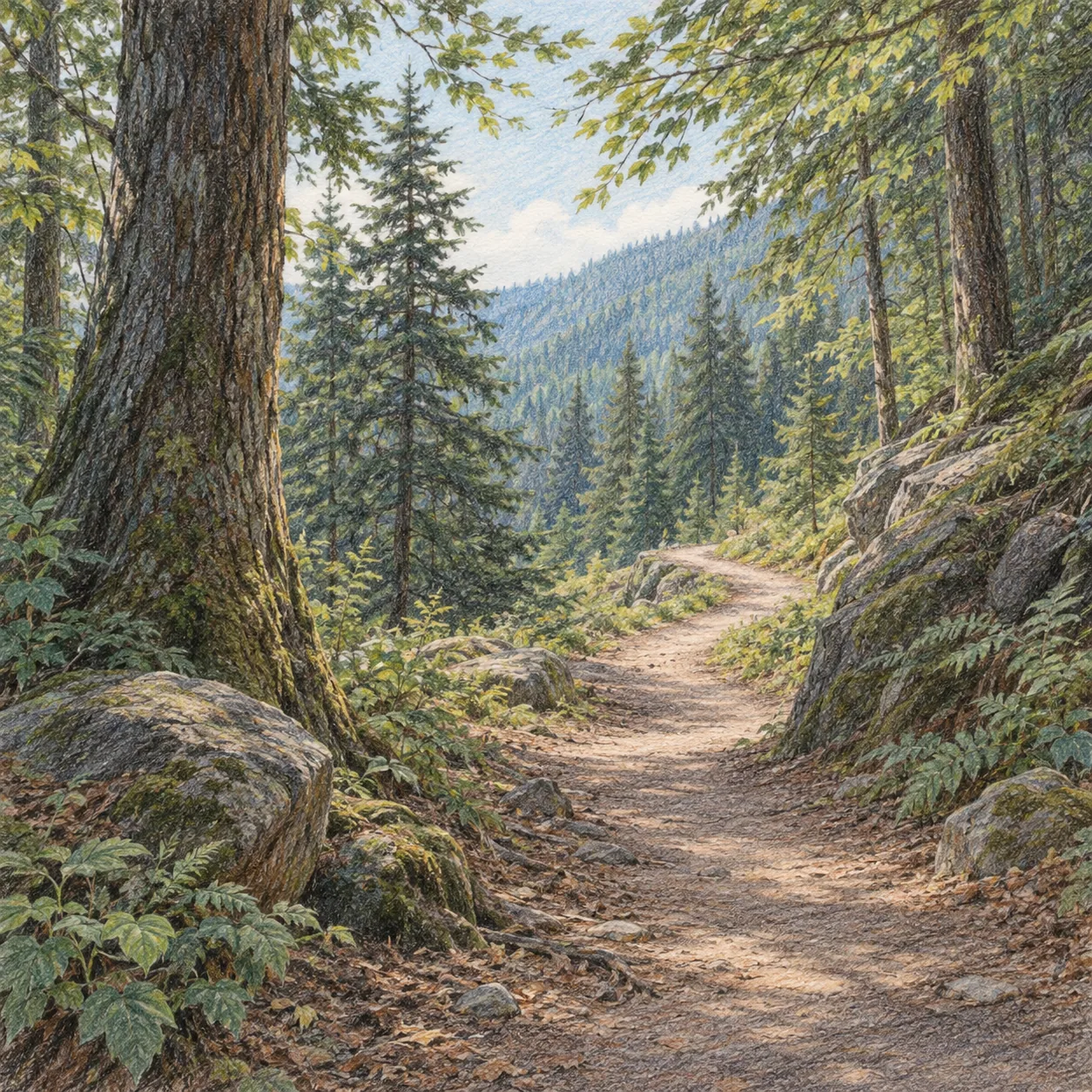
A quiet Cartoon composition
Use play and visual rhythm as the organizing idea and let the background support rather than compete with the subject.
 03
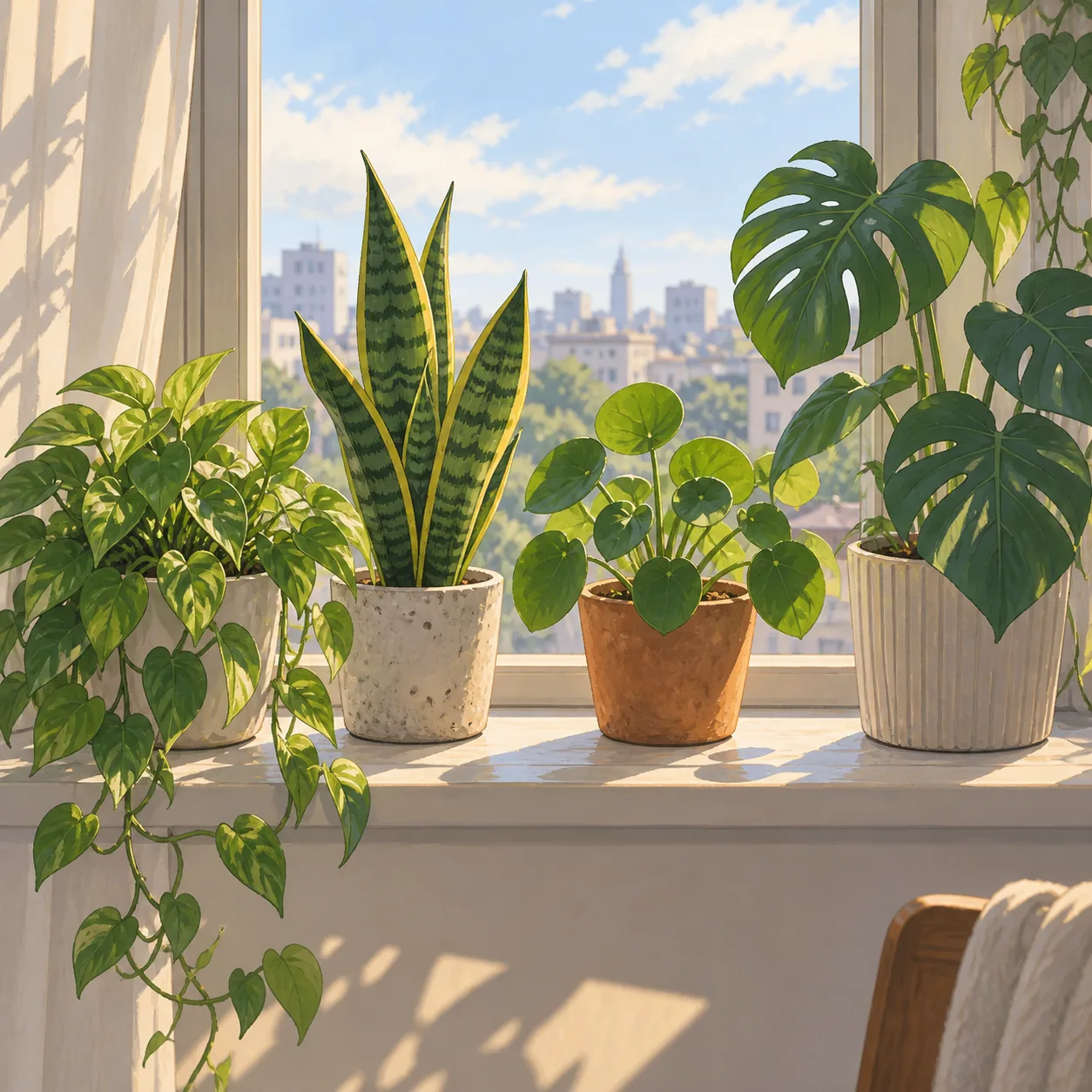
A detail-led Cartoon study
Start close to the subject, describe a readable silhouette and expressive exaggeration, and use a restrained surface so the important detail stays legible.
 04
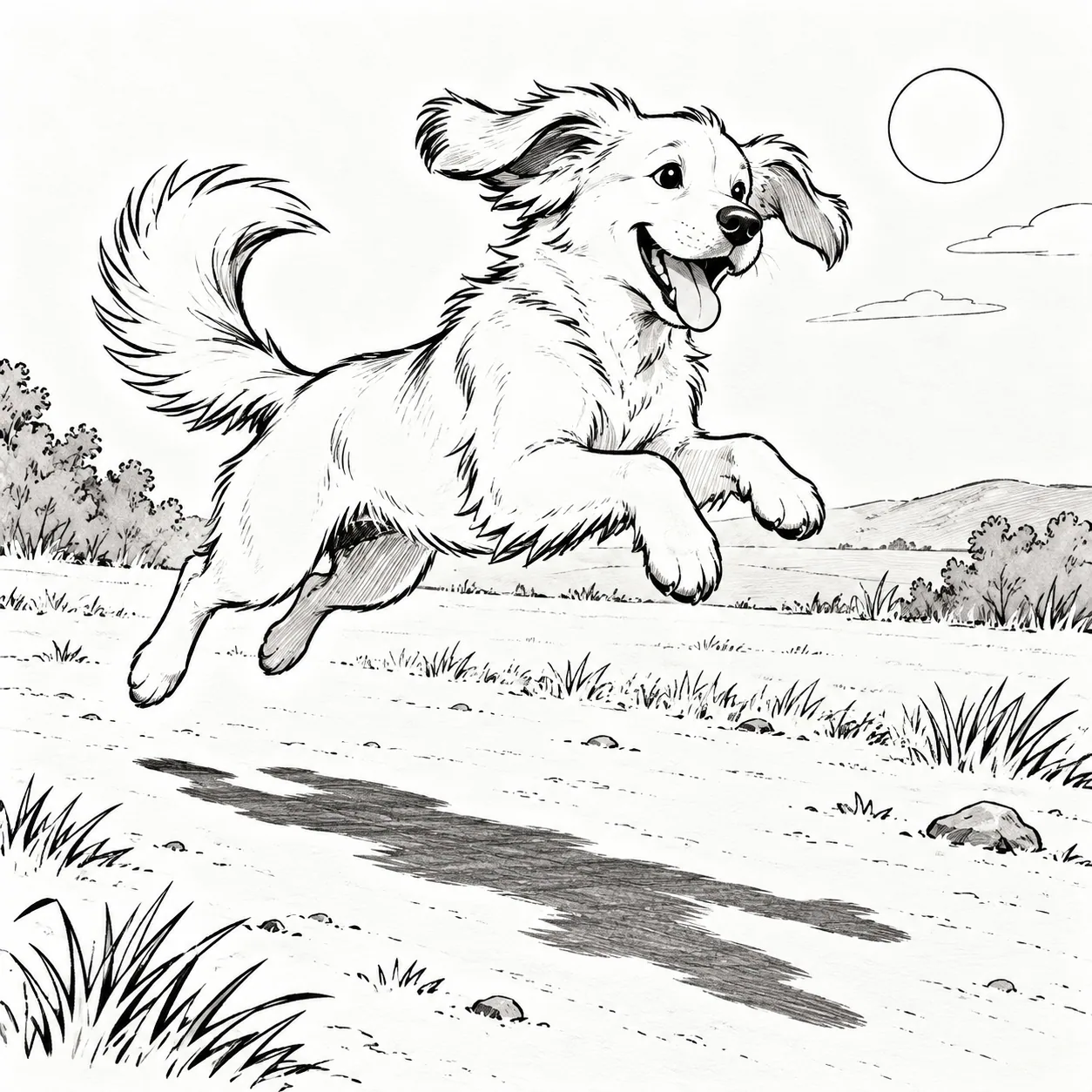
A Cartoon prompt with movement
Give the subject a directional gesture and use the frame to show where the eye should travel next.
 05
A Cartoon world with contrast
Pair a clear foreground subject with one contrasting background decision, keeping the palette and light easy to control.
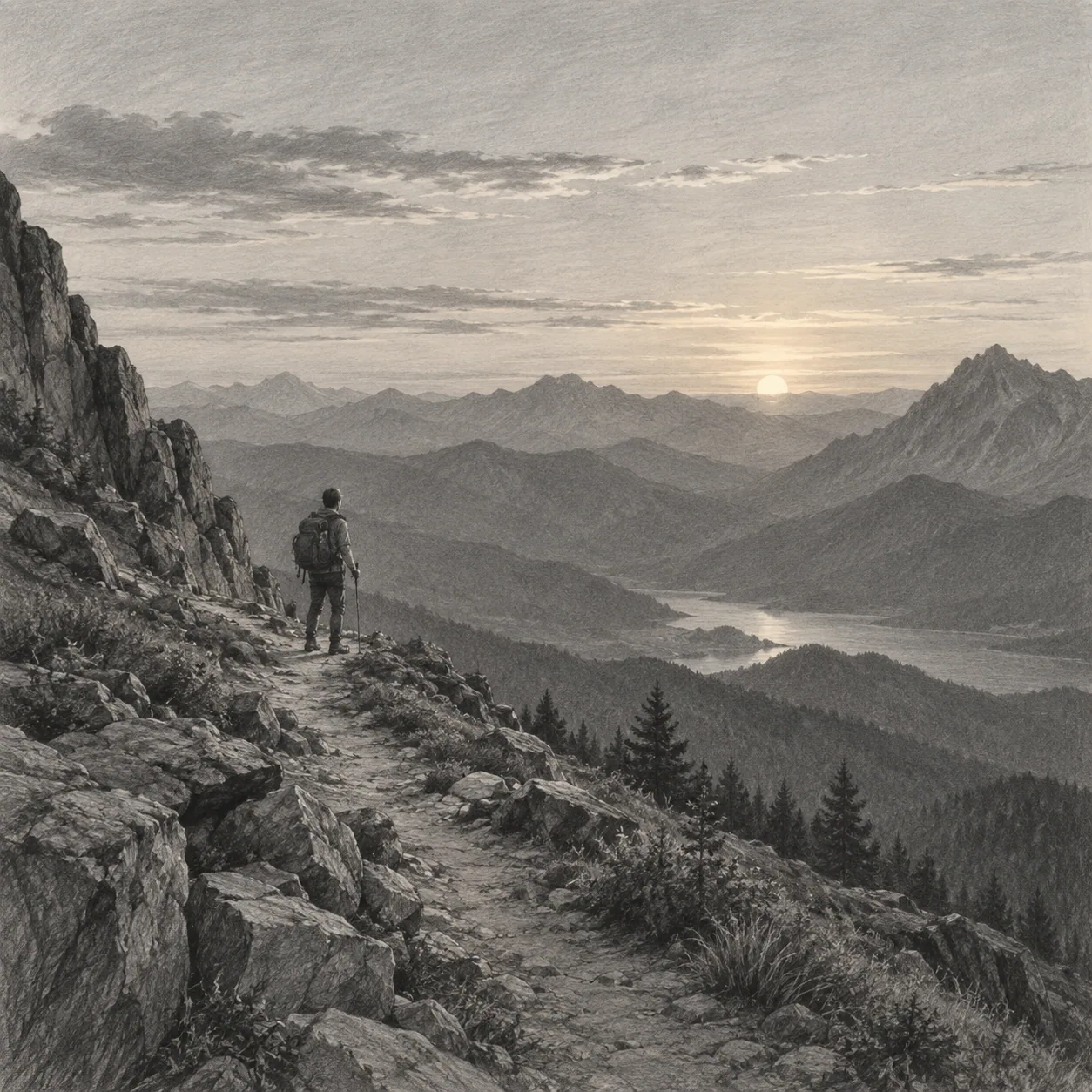 06
A flexible Cartoon variation
Keep an expressive character stable and vary the mood, crop, or material so one idea can become several useful generations.
Build prompts in layers
Begin with the subject, then add the visual decisions that matter most: framing, surface, detail, light, and one controlled variation. This order keeps a Cartoon prompt readable and easy to revise.
Name the subject first
Write the central subject in plain language before adding atmosphere. For this collection, an expressive character is the anchor that keeps the Cartoon prompt from becoming a list of unrelated effects.
If the output feels vague, make the subject more concrete by naming its pose, scale, or relationship to the frame.
Choose a useful frame
A prompt becomes easier to compare when the composition is intentional. Try a close study, a centered portrait, or a wide scene depending on how much context an expressive character needs.
Use one framing decision at a time. Too many competing camera directions make it harder to tell which change improved the result.
Add only meaningful detail
Use a readable silhouette and expressive exaggeration as the first detail layer, then stop and inspect the balance. Specific detail should clarify the subject rather than cover a weak silhouette.
Keep a short list of details that you can remove or swap. This makes the prompt a working sketch instead of a permanent paragraph.
Give the image a light direction
Name the light quality and the side or height it comes from when the mood matters. A consistent light helps the model organize play and visual rhythm and the subject together.
Simple light language is often enough: soft window light, a cool overcast day, or a narrow pool of warm illumination.
Keep one variable open
Once the base prompt works, change one variable such as crop, surface, or level of detail. Small controlled variations reveal which words are doing useful work.
Save the strongest version and record what changed. A repeatable process is more valuable than adding adjectives without a reason.