A five-part animal prompt
Use this order to turn a species into a readable image: name the action, choose the camera relationship, describe the surface, place the light, and then make one controlled variation.
- 01
Species, feature, and action
Start with the animal and one visible action. Add a distinctive feature only when it changes the silhouette, pose, or story. “A fox stepping between floating books” is more useful than “a beautiful fox.”
- 02
Camera distance and point of view
Choose close-up for expression and texture, full-body for gesture, or wide framing for the animal's relationship to a place. The view decides how much detail the model needs to invent.
- 03
Surface and visual language
Choose one treatment such as watercolor washes, grouped charcoal marks, a clean digital illustration, or editorial photography. Surface direction should support the animal's movement and not obscure its anatomy.
- 04
Light, weather, and atmosphere
Give the scene a compatible light source: moonlight for a quiet silhouette, soft daylight for fur texture, or a hard side light for stronger graphic values. Remove mood words that fight the source.
- 05
One change for the next version
Keep the animal stable while changing one variable, such as the crop, setting, weather, or time of day. A controlled change shows which decision improved the prompt and keeps the next idea connected.
Animal prompts to try
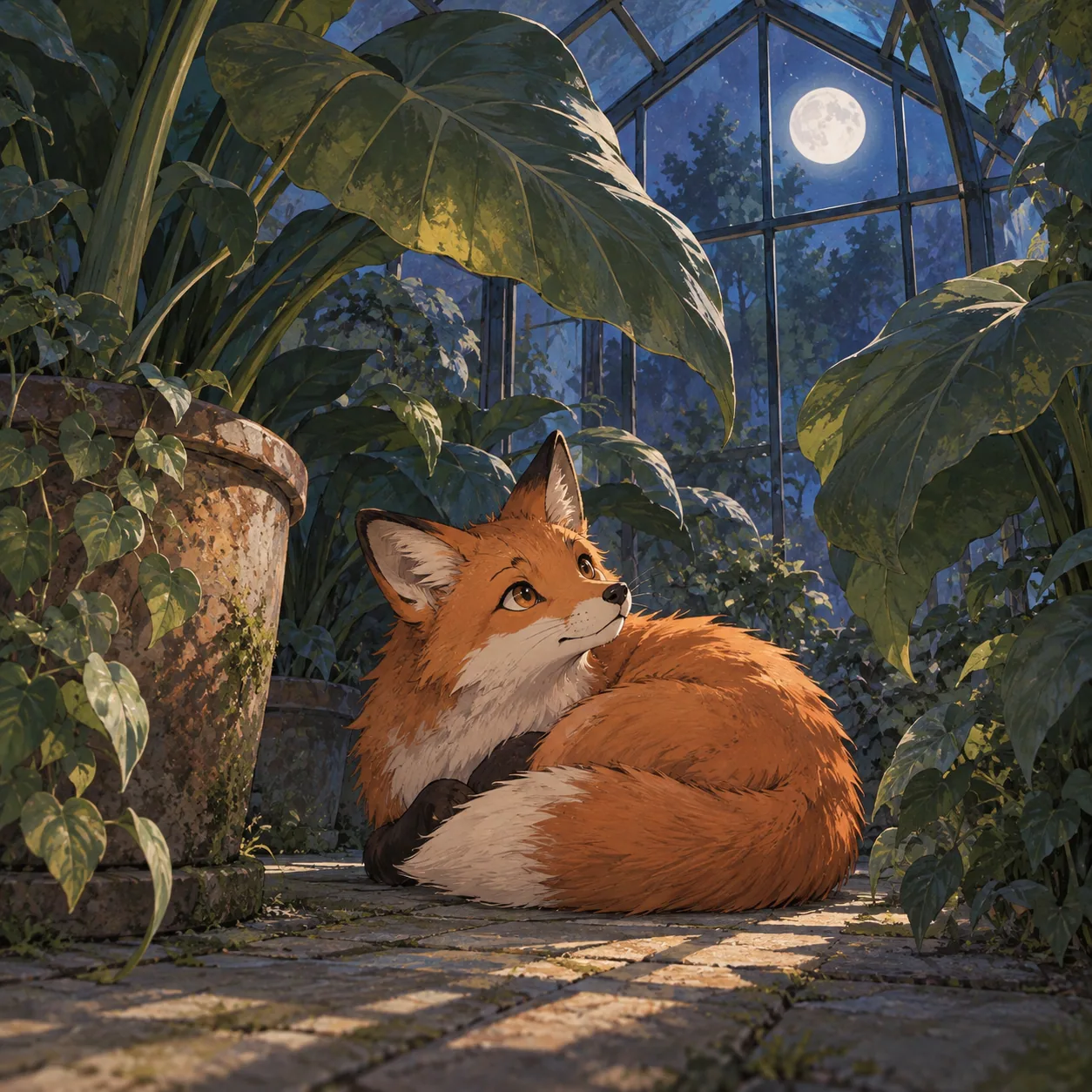 01
A fox in a flooded library
Create an atmospheric image of a red fox stepping between floating books, three-quarter view, moonlit blue light, cinematic style, vertical composition.
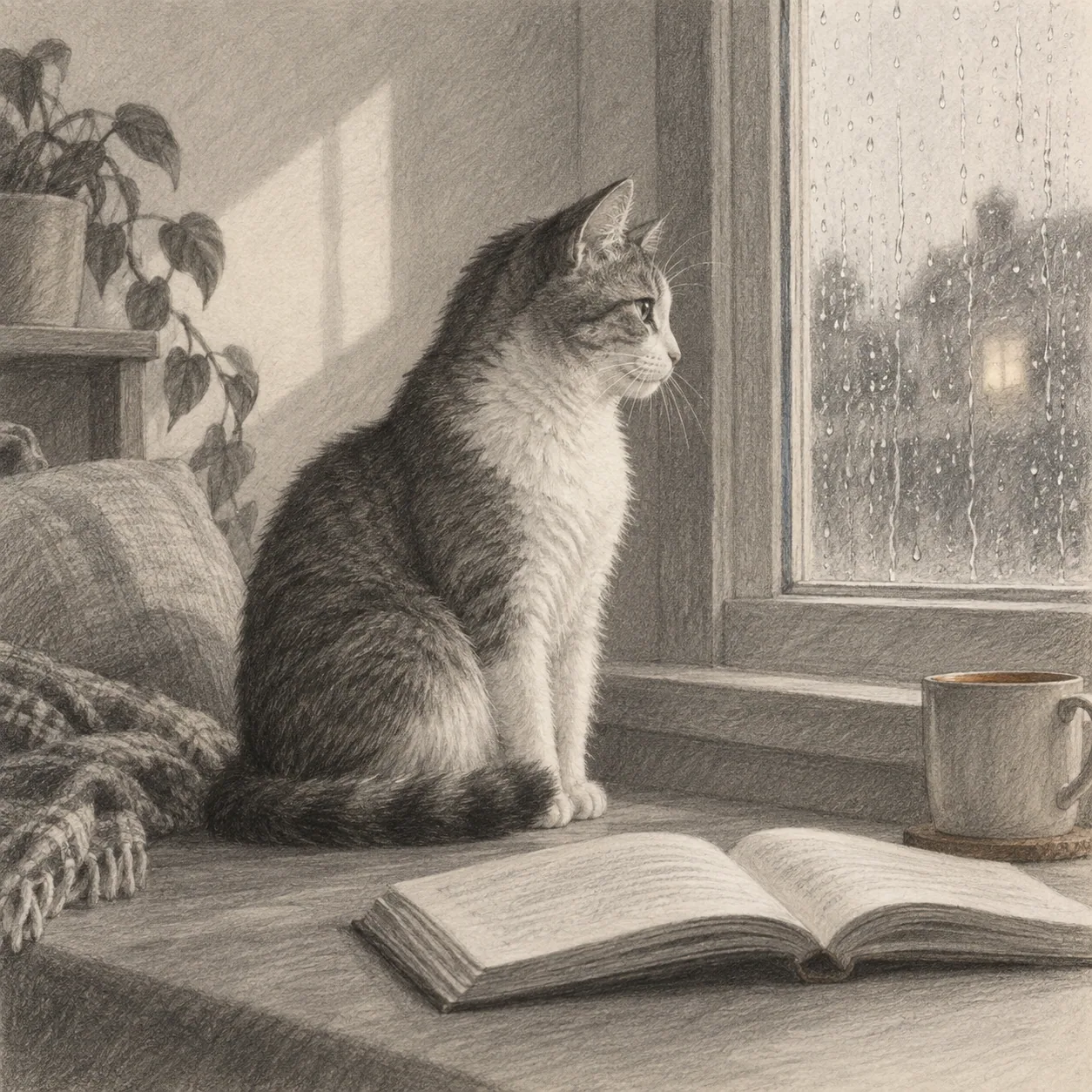 02
A cat above the city
Create an editorial image of a cat sitting on a rooftop greenhouse above a quiet city, close-up portrait, soft natural light, calm mood.
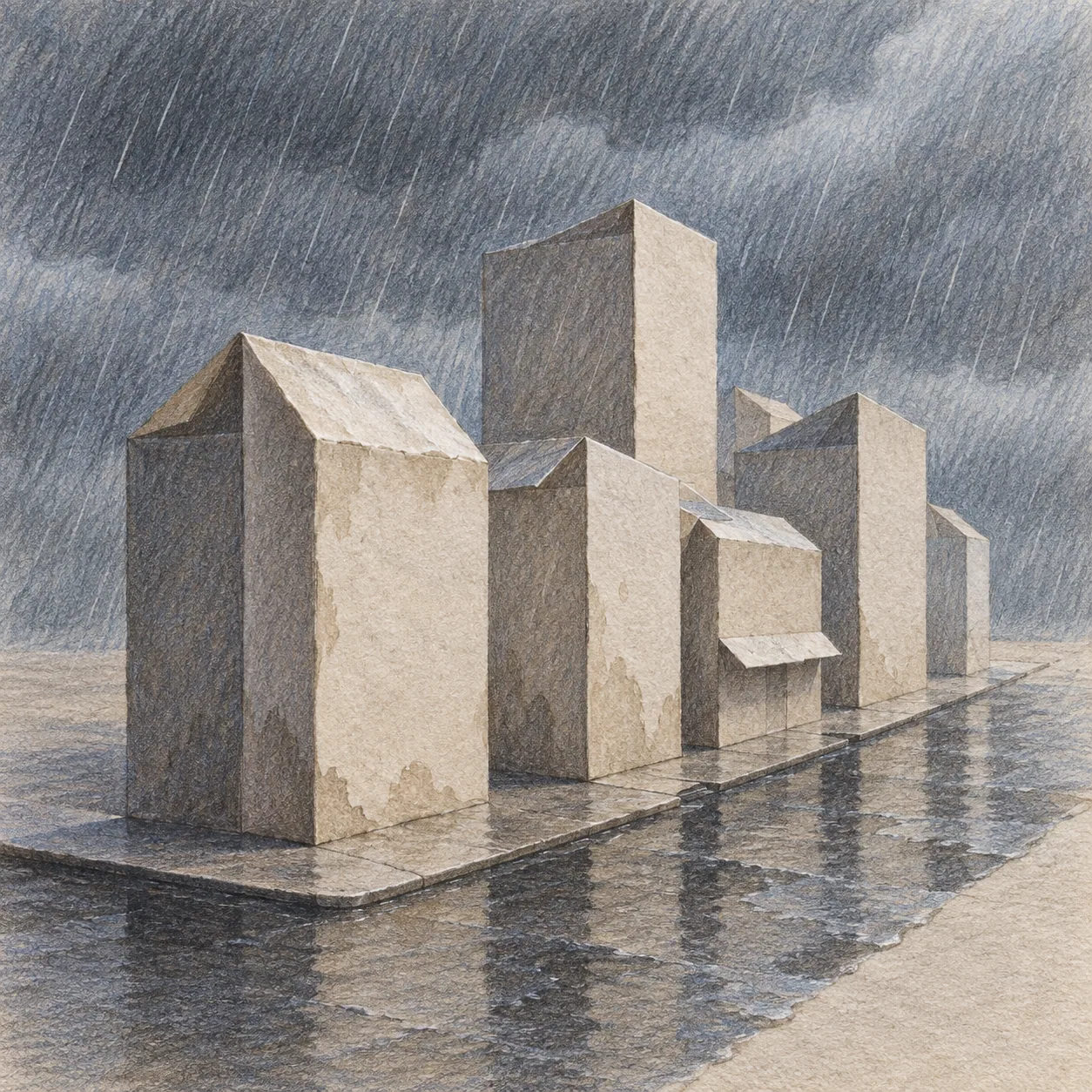 03
Birds over a paper town
Create a playful watercolor image of a flock of birds carrying paper houses across the sky, wide establishing shot, golden-hour light.
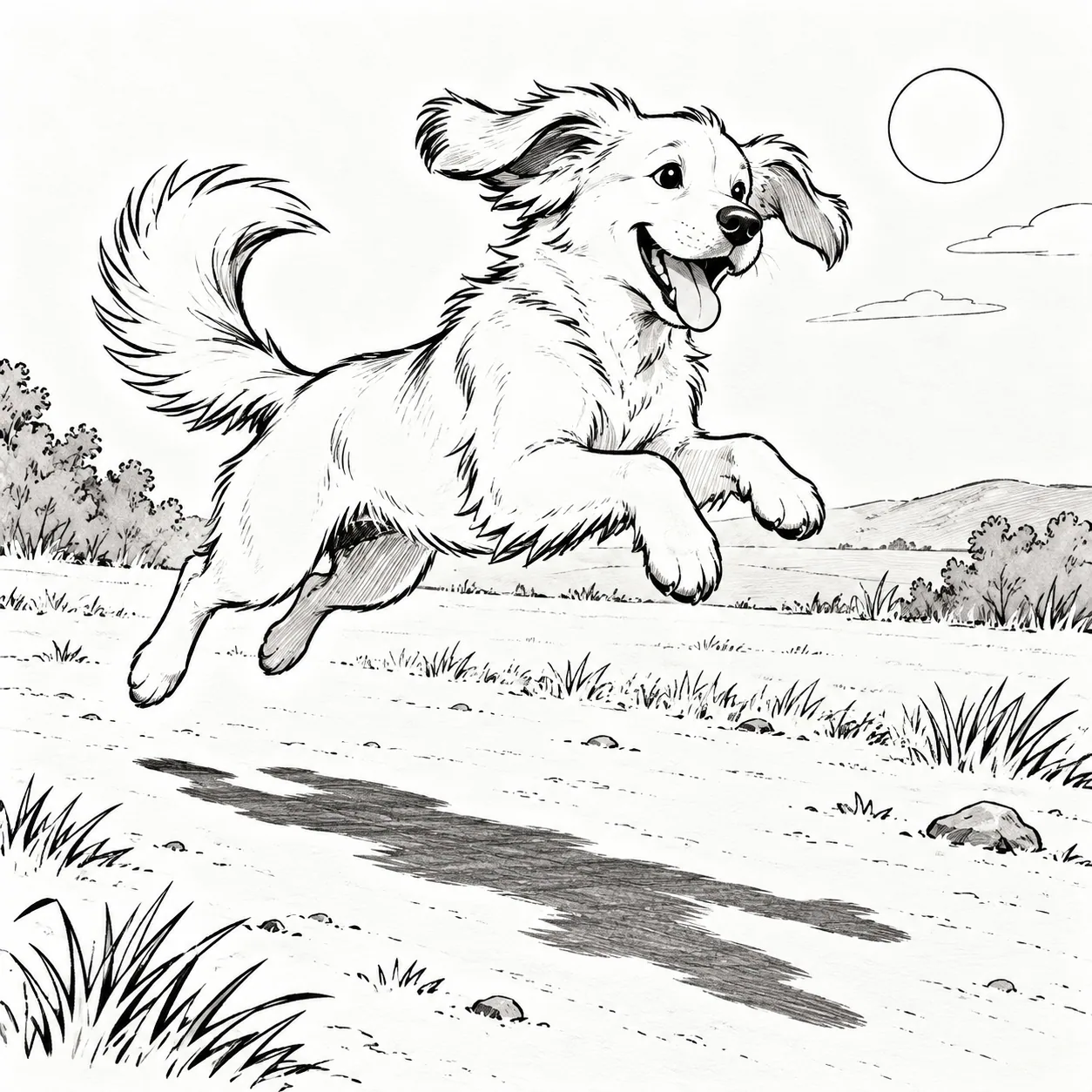 04
A dog at the last station
Create a cinematic image of a tired dog waiting beside an empty train platform, full-body view, warm light, atmospheric mood.
 05
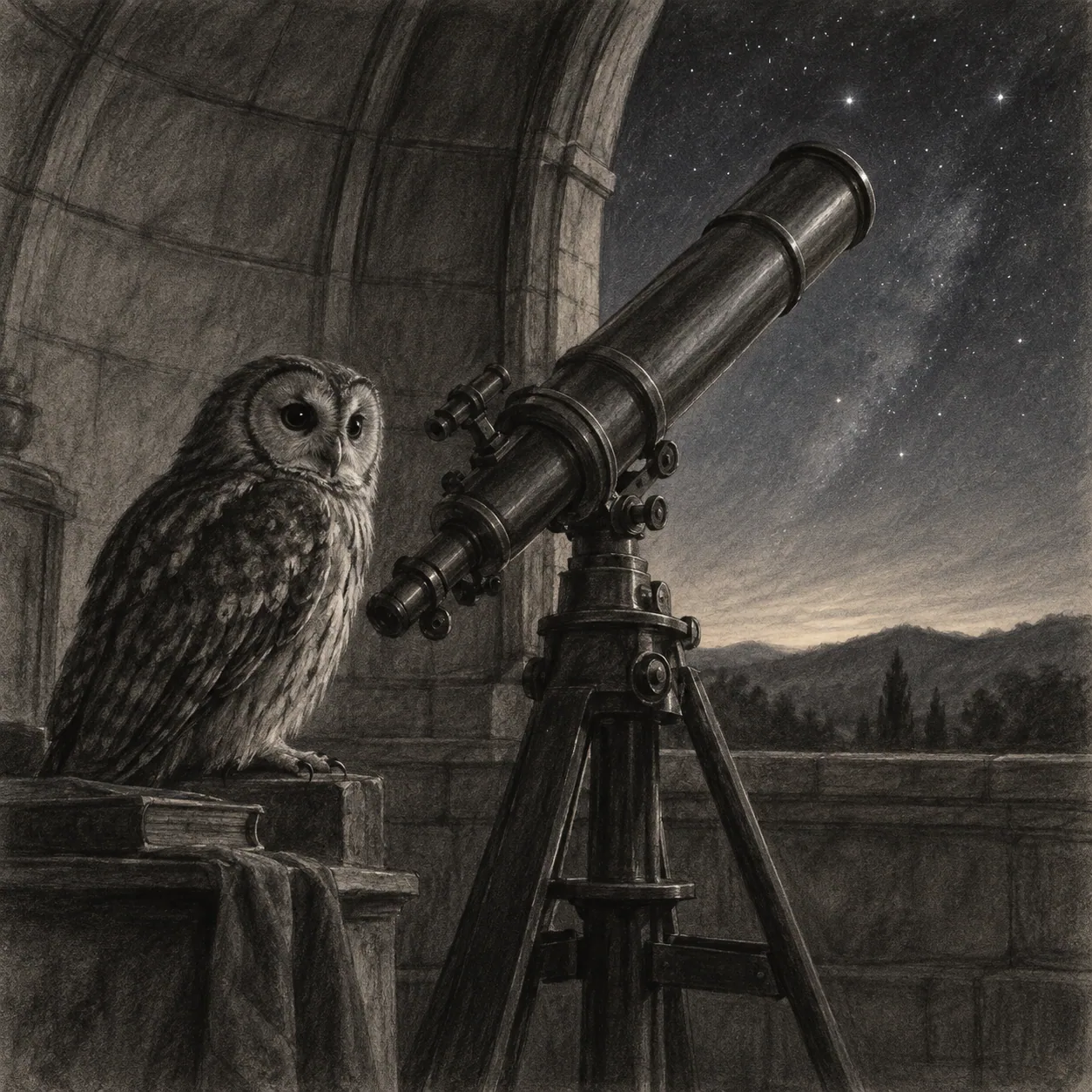
An owl in an observatory
Create a quiet editorial image of an owl perched beside an old observatory telescope, close three-quarter view, cool moonlight, muted brass details, clear dark silhouette.
 06
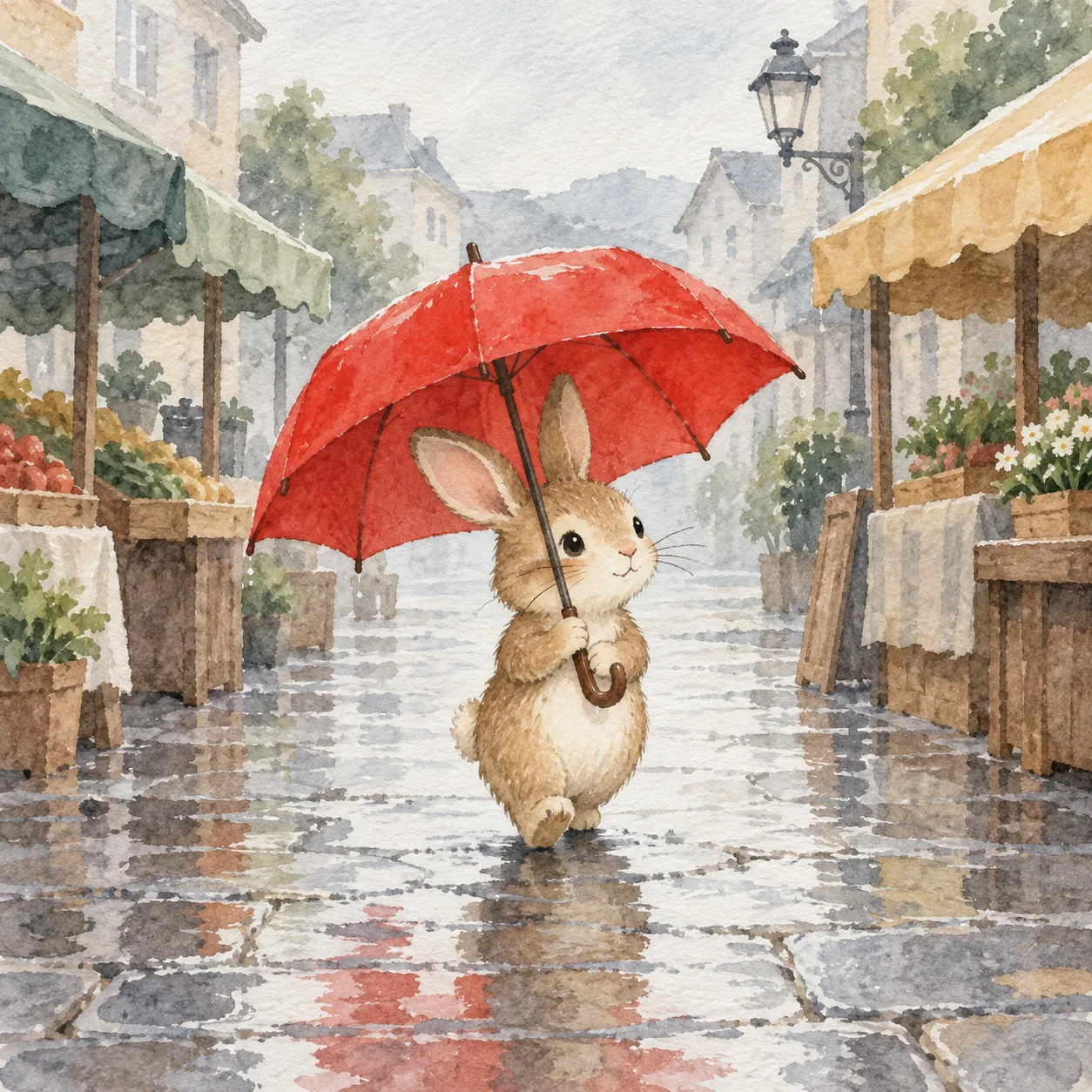
A rabbit crossing a market
Create a playful wide image of a small rabbit carrying a red umbrella through a quiet market, soft rain, low viewpoint, watercolor texture, readable foreground and background layers.
Give the animal a readable role
A strong animal image prompt describes what the creature is doing, where it is, and how the frame should guide attention.
Describe the animal and its action
Name the species, distinctive feature, and visible action. A concrete action gives the model a reason for the pose.
Add one story clue only when it changes the image. Keep it secondary so the animal remains the focal point.
Choose the point of view
A close-up emphasizes expression and texture. A full-body or wide view shows the animal in its environment.
Use perspective to make the animal feel small, powerful, curious, or hidden.
Use style to control the surface
Style descriptors should support the animal rather than bury it. Choose a visual language that suits the subject.
Keep anatomy and the main silhouette coherent. Add texture after the model understands scale and position.
Let light tell the story
Lighting gives the animal a place in the environment. Name the source when it should affect the silhouette or texture.
Pair the light with a compatible mood, then remove descriptors that fight the atmosphere.
Make controlled animal variations
Keep the species and setting stable while changing the crop, light, or model.
Once a version works, reuse its structure for a related subject instead of adding unrelated detail.