A five-part landscape prompt
Build from the large view to the atmosphere. Name the place, separate the depth layers, choose the weather, set the light, and then change one condition for the next version.
- 01
Place and focal element
Name the landscape and add one element that gives the model a reason to organize it: a path, tree, cabin, figure, or boat. A focal element also gives the viewer a sense of scale.
- 02
Depth layers and viewpoint
Describe what sits in the foreground, middle distance, and background. Choose a wide view for distance or a close crop when rock, bark, water, or leaves should become the subject.
- 03
Weather as a surface decision
Use mist, rain, snow, wind, or clear air to control edges and contrast. Weather is not just mood; it changes how far the viewer can see and how sharply forms should be described.
- 04
A consistent light direction
Choose golden hour, moonlight, soft overcast daylight, or another source that can explain the values across the scene. Add atmosphere only when it agrees with that source.
- 05
One landscape variation
Keep the place and focal element stable while changing the season, time of day, weather, or aspect ratio. That comparison makes the landscape's strongest visual relationship easier to recognize.
Nature prompts to try
 01
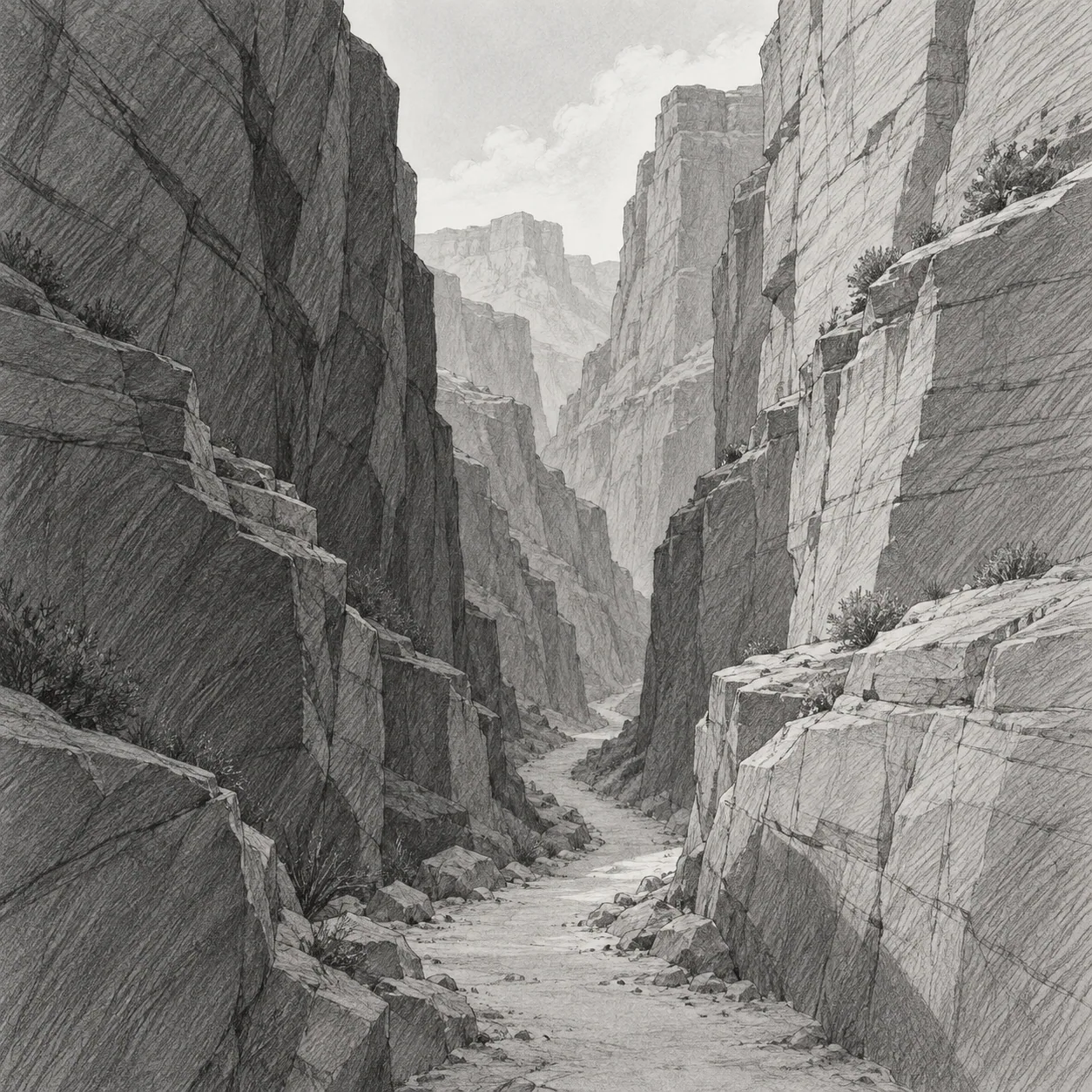
A path through a storm-lit valley
Create a cinematic wide landscape of a narrow path crossing a storm-lit valley, layered ridges, dramatic cloud light, atmospheric mood.
 02
A greenhouse in the snow
Create an editorial image of a warm glass greenhouse surrounded by fresh snow, three-quarter view, blue-hour light with warm interior glow.
 03
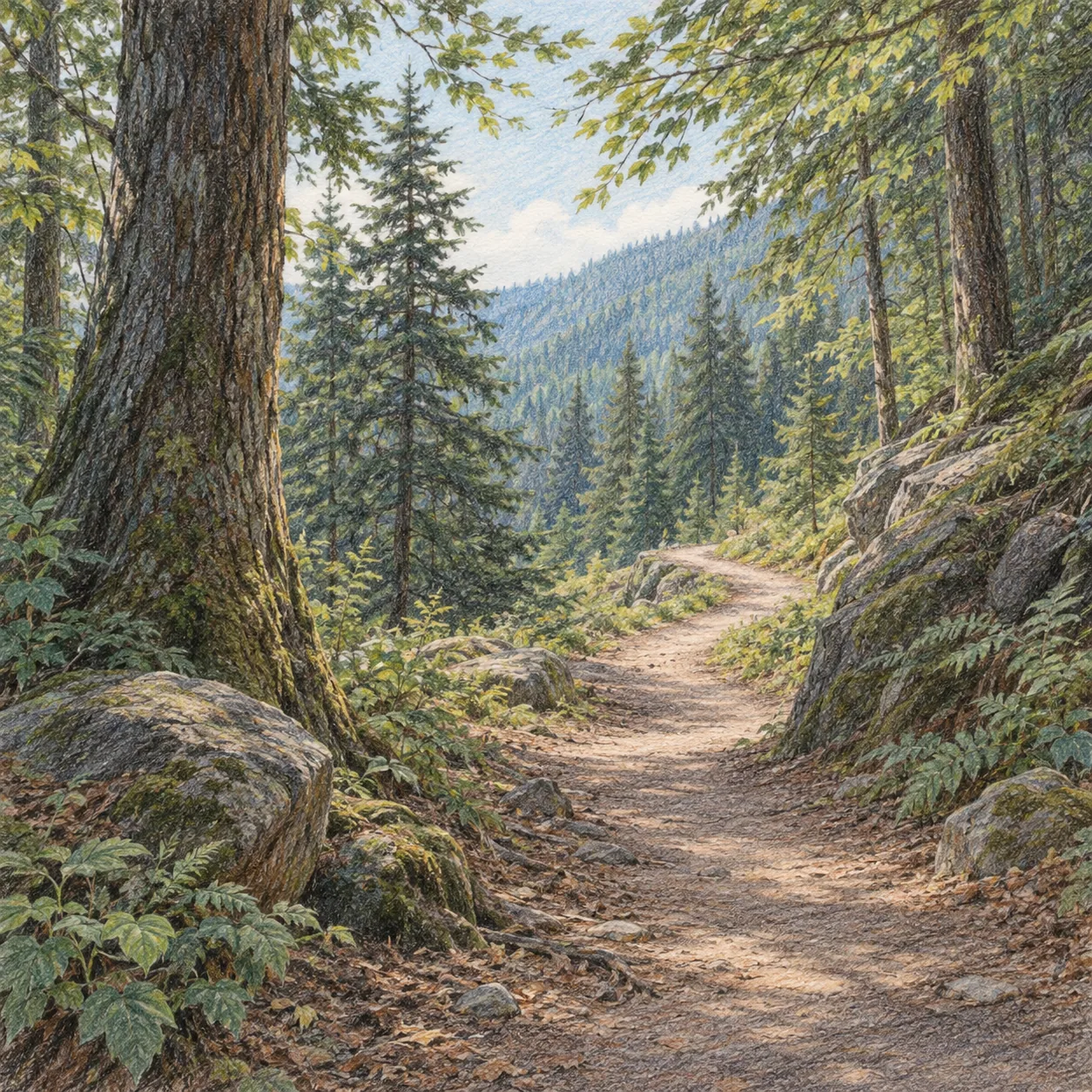
A forest after rain
Create a watercolor landscape of a forest path after rain, soft mist between tree trunks, wide establishing shot, diffused morning light.
 04
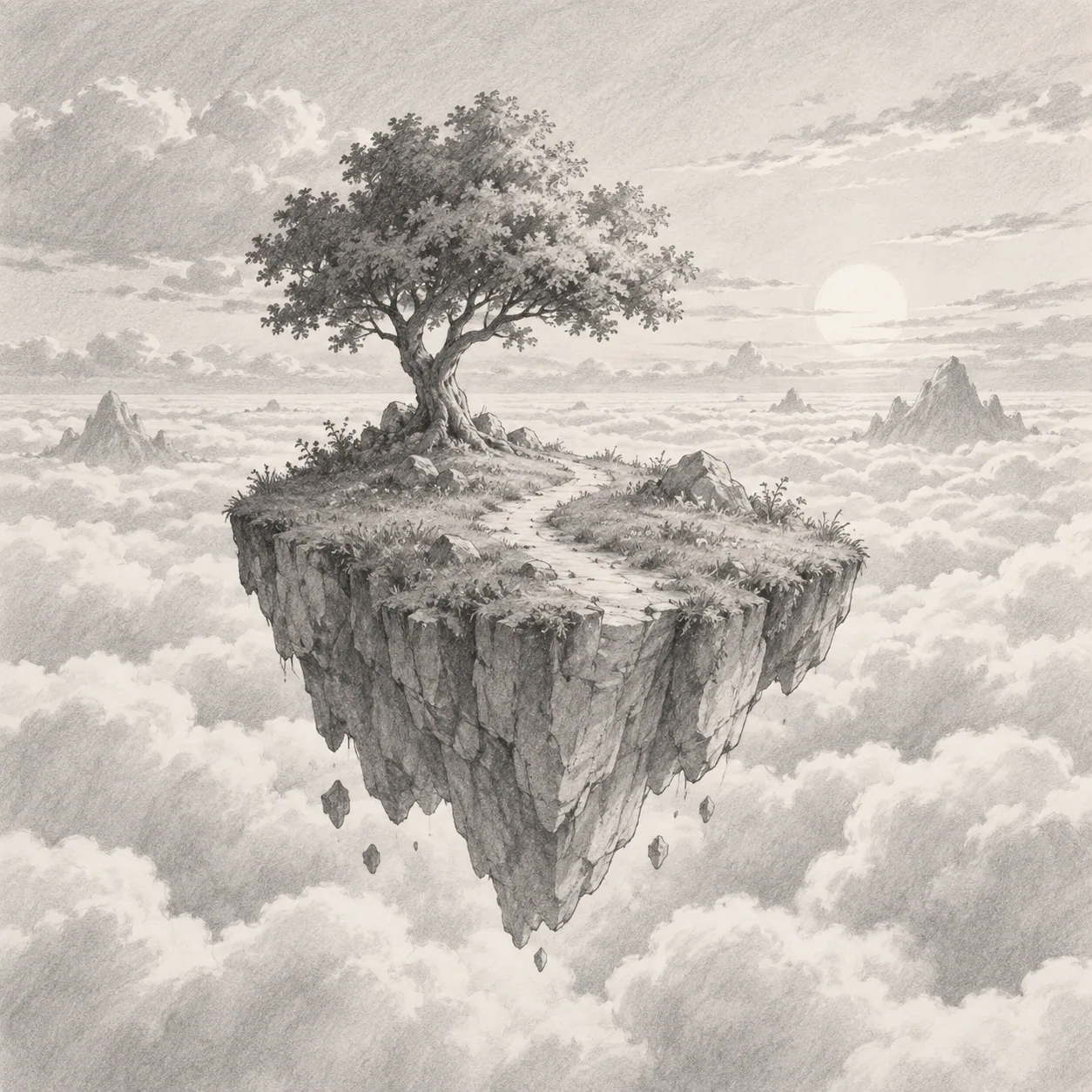
A floating island garden
Create a fantastical image of a small garden island floating above a sea of clouds, isometric view, golden-hour light, clear depth layers.
 05
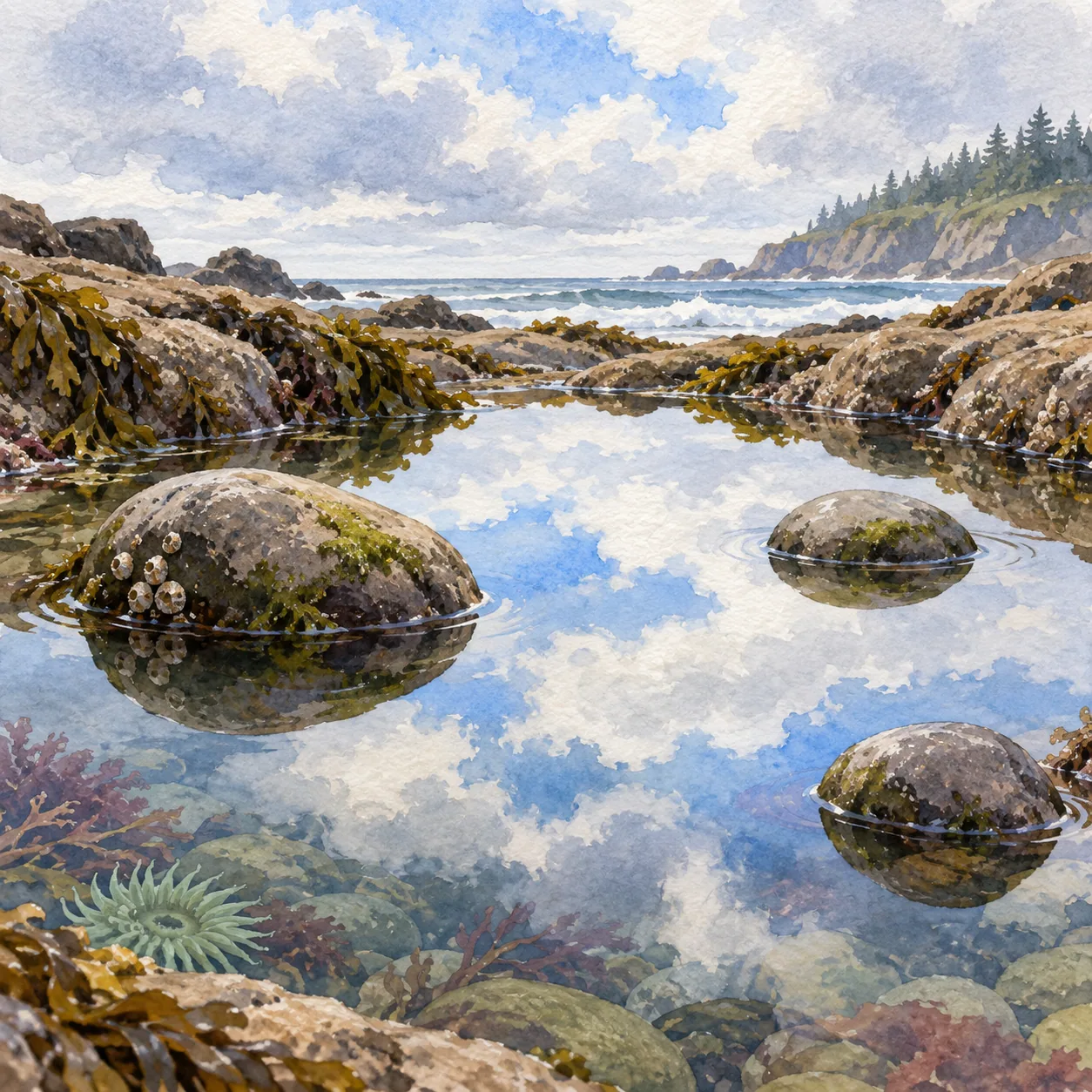
A beach after a night storm
Create a wide atmospheric landscape of a quiet beach after a night storm, dark wet sand, one stranded boat, pale dawn light, layered clouds, clear horizon.
 06
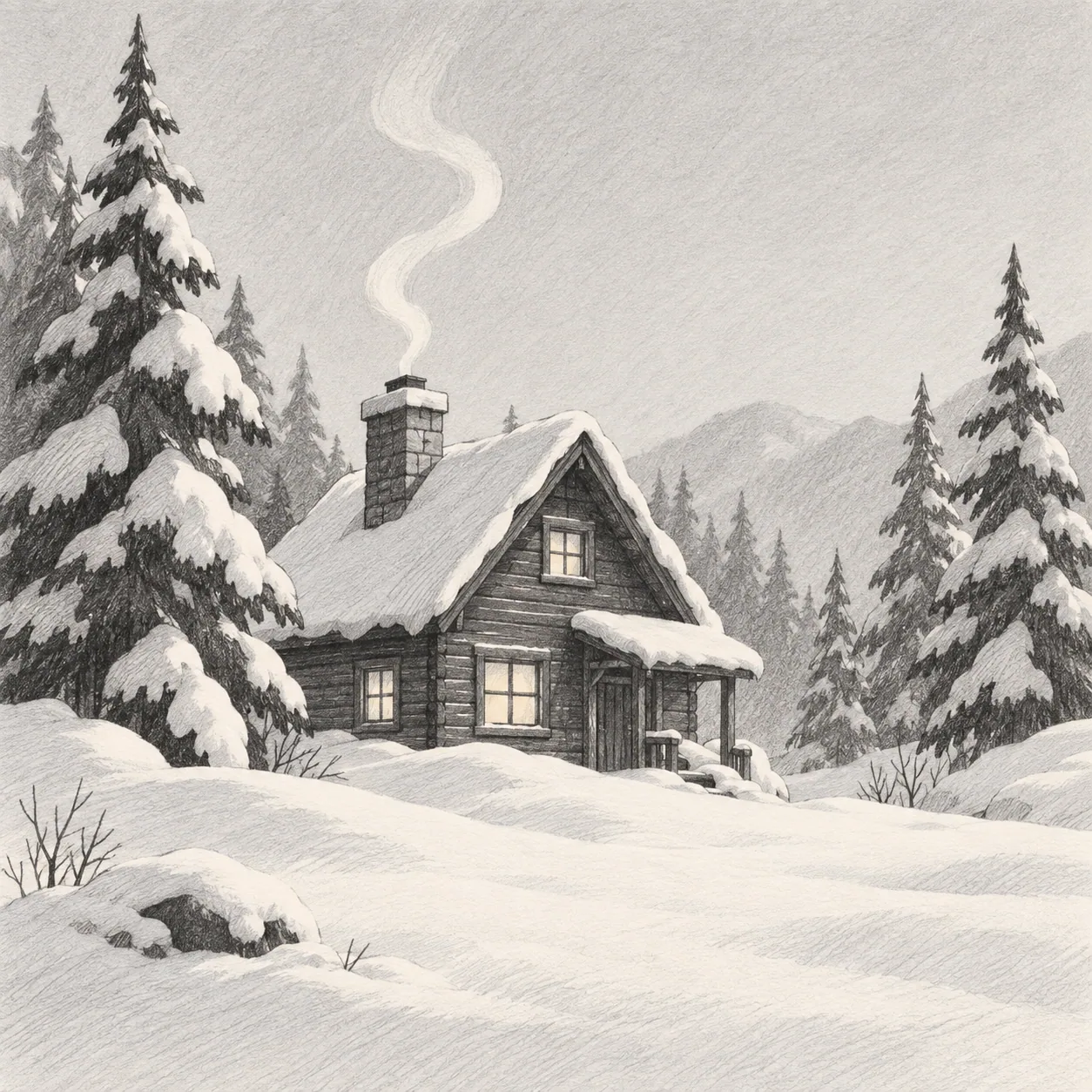
A mountain cabin in summer rain
Create a detailed watercolor landscape of a small cabin beside a mountain stream in summer rain, foreground grasses, misty middle distance, soft gray daylight, gentle green palette.
Build the landscape in layers
Nature prompts work best when the model knows what belongs in the foreground, middle distance, and background.
Choose the landscape subject
Name the place or natural subject and add one visible event: mist, rain, snow, wind, or a changing sky.
A single focal element gives the model a reason to organize the landscape. Use a figure, tree, structure, or path for scale.
Describe depth and scale
Use foreground, middle distance, and background language to separate the landscape into readable layers.
Choose a wide composition when distance matters. Use a closer crop when texture should carry the image.
Use weather as a visual control
Mist, rain, snow, wind, and clear air change contrast and edge quality.
Keep the atmosphere compatible with the lighting. Fog needs softer distance; crisp light can use clearer layers.
Set a clear light direction
Choose moonlight, golden hour, soft daylight, or another source that gives the landscape a consistent value pattern.
If the image feels flat, change the light direction or contrast before adding more objects.
Make landscape prompt variations
Keep the place stable while changing the weather, aspect ratio, or time of day.
Save the version with the clearest depth and use it as a structure for the next landscape.